
 w2pK0wutQ3G2
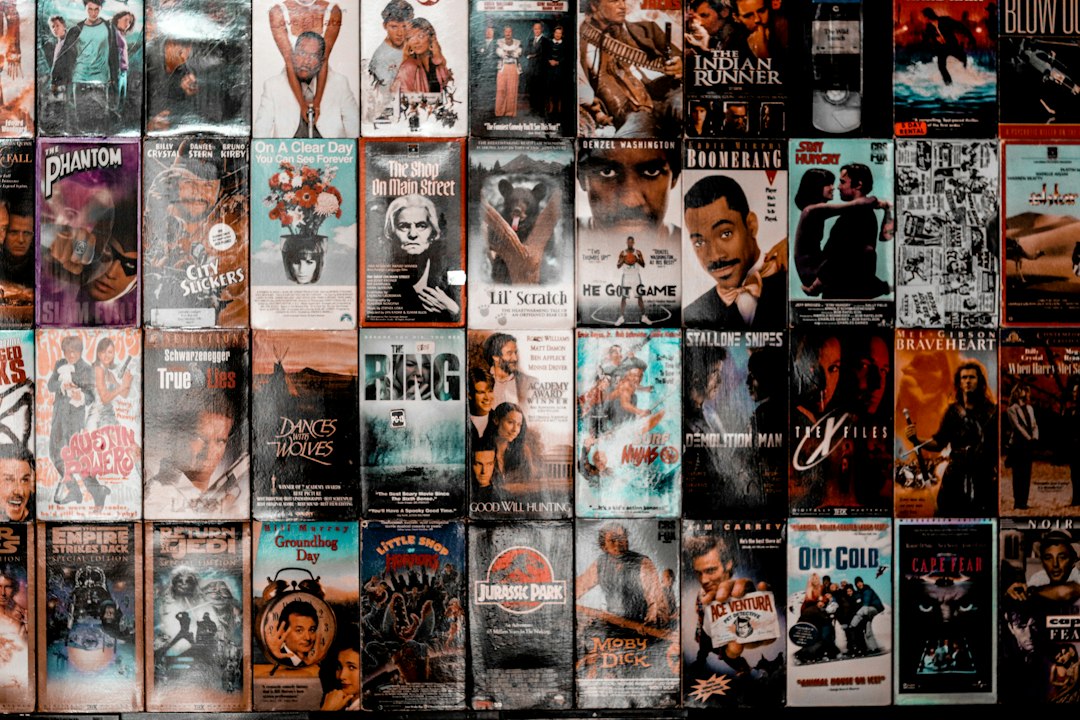
Nostalgia offers a familiar visual or musical vocabulary at a moment when audiences are navigating change. A returning silhouette, sound or film reference can create recognition, but successful revivals usually alter the original material. New technologies, social values and personal experiences give old references a different context.
This guide explores cultural nostalgia through a practical, considered lens. Rather than treating the subject as a passing trend, it looks at the choices, context and details that shape the experience.
The central idea
how familiar styles are reinterpreted by new generations rather than simply copied
Why the context matters
Reinterpretation over imitation
What the process reveals
A closer look at cultural nostalgia shows that outcomes depend on a sequence of connected decisions. Early choices influence later possibilities, while practical constraints can change what is realistic. Paying attention to those connections helps readers move beyond surface impressions. It also makes it easier to recognise when a familiar approach needs to be adapted to a different person, place or set of circumstances.
The questions worth asking
Useful questions are specific: who is involved, what evidence is available, which materials or methods are being used, and what happens after the immediate result? In pop culture, these questions can reveal gaps between a public claim and the everyday experience behind it. Asking them respectfully encourages clearer information and more meaningful comparisons.
Common assumptions to reconsider
One common mistake is to assume that a visible result tells the whole story. A polished image, a popular recommendation or a confident statement may leave out the work, limitations and trade-offs that shaped it. Another is to treat one example as a universal model. Better judgement comes from comparing several cases and understanding the conditions that produced each one.
A practical approach
Start with a clear priority and choose a manageable next step. Gather information from sources that explain their methods, compare options on criteria that matter and allow enough time to assess the result. When specialist knowledge is needed, seek advice from a qualified or experienced person. Small, informed decisions are often more useful than dramatic changes made without a plan.
The details that matter
In practice, this subject is best understood through context rather than a single rule. People, materials and institutions operate under different constraints, so useful advice needs to explain both the principle and the conditions around it. Readers can apply the idea more confidently when they know what to look for, which questions to ask and where a general recommendation may not fit their circumstances.
Looking ahead
A useful way to begin is to observe the choices already being made. Compare examples, notice what changes from one situation to another and separate evidence from assumption. This makes the subject easier to discuss without oversimplifying it.
Conclusion
Pop Culture is most rewarding when attention is paid to the details behind the headline. By asking better questions, recognising context and making deliberate choices, readers can develop a more informed perspective. The aim is not to follow a rigid formula, but to understand the subject well enough to make decisions that fit real needs and circumstances.