
 w2pK0wutQ3G2
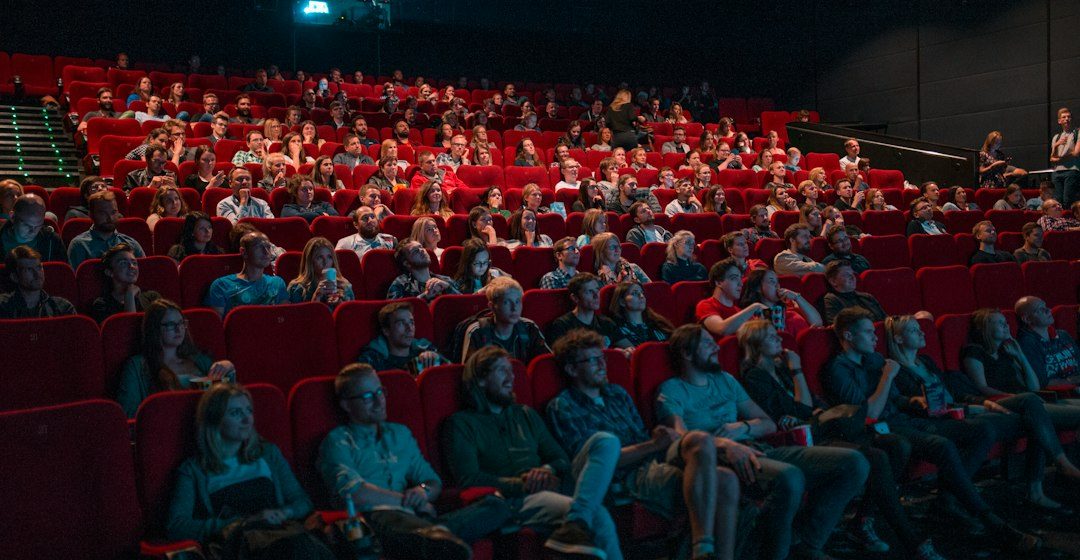
Independent cinema often reaches audiences through spaces that make room for films outside the most familiar commercial routes. Barcelona’s L’Alternativa is one of those spaces. Its 33rd edition is taking place this November, with the Centre de Cultura Contemporània de Barcelona (CCCB) as the main venue and a wider programme spread across cinemas and cultural spaces in the city. The festival’s value lies not only in the films it screens, but in the conversations it makes possible around how films are made and seen.
A festival built around creative freedom
The CCCB describes L’Alternativa as a festival that values filmmakers’ creative freedom, commitment and thought-provoking reflection. That emphasis gives the event a different rhythm from a programme built mainly around familiar titles or celebrity appearances. Independent cinema can include formal experimentation, personal documentary, fiction that resists easy categories and work that may not receive a broad commercial release.
For audiences, this creates an opportunity to encounter films that might otherwise remain difficult to find. A festival can bring together different approaches in one place and encourage viewers to compare how directors use image, sound, pacing and subject matter. The experience is not only about discovering a single favourite film; it is also about developing a more attentive way of watching.
More than one screening venue
The 2026 programme is centred at the CCCB and also involves the Filmoteca de Catalunya, Casa Montjuïc, the Maldà and Zumzeig cinemas, La Caldera and the Institut Français de Barcelona. This spread matters because independent film culture depends on a network of venues, curators, technicians and audiences. A festival becomes stronger when it is connected to the city’s existing cultural infrastructure rather than isolated in one temporary location.
Different venues can also shape the way a film is experienced. A cinematheque brings a history of preservation and film study; a neighbourhood cinema can create a more intimate relationship between a work and its audience. The programme’s presence across several spaces invites visitors to move through Barcelona as part of their cultural itinerary, while reminding them that film culture is sustained by local institutions throughout the year.
Retrospectives add context
Alongside its competitive sections, L’Alternativa includes a retrospective of filmmaker Alice Diop and a series titled Cinémathèque idéale des banlieues du monde, organised in collaboration with the Filmoteca de Catalunya and the CCCB. Retrospectives help audiences understand an artist’s development over time. Instead of seeing one film as a standalone work, viewers can trace recurring themes, shifts in form and the influence of particular places or experiences.
A programme that looks beyond individual titles also broadens the conversation about whose stories are visible on screen. The idea of a cinémathèque of the world’s suburbs points toward cinema as a record of lived environments, communities and social change. Such programming can challenge the assumption that important film culture only emerges from the largest production centres.
Why independent film still needs public spaces
Streaming services have made more films accessible at home, but access is not the same as discovery. Recommendation systems tend to favour content that can be easily categorised and promoted at scale. A curated festival offers a different kind of navigation: a human selection, a sequence of screenings and the possibility of discussing a work with other viewers. That context can help films find audiences beyond the algorithms that organise everyday viewing.
Public screenings also support a shared experience. The same film can prompt different reactions in a room, and post-screening discussions can reveal details that a viewer might have missed alone. For filmmakers, a festival provides a setting in which work can be encountered as an artistic statement rather than simply another item in a catalogue. For the audience, it restores a sense of occasion to watching.
How to approach a festival programme
Visitors do not need to know every director or film movement before attending. A useful approach is to select one screening based on a subject of interest, one based on a director or programme strand that is unfamiliar, and one that challenges an established preference. Reading short programme notes can help, but leaving room for surprise is part of the value of an independent festival.
It is also worth checking the official venue and ticket information before travelling, as screenings can take place in different parts of the city. Planning around location can make it easier to attend more than one event without rushing. Audiences who cannot attend every screening can still follow the festival’s programme and use it as a guide to films and filmmakers to explore later.
A continuing conversation with cinema
L’Alternativa’s 33rd edition demonstrates why independent film festivals remain relevant even as viewing habits change. They create a public setting for work that asks audiences to look more carefully, and they connect filmmakers with institutions that can support a longer cultural life for their films. In Barcelona, the festival’s mix of competition, retrospective and partner venues makes independent cinema part of the city’s broader cultural conversation.
Further reading: CCCB — L’Alternativa 2026 programme and venues.