 w2pK0wutQ3G2
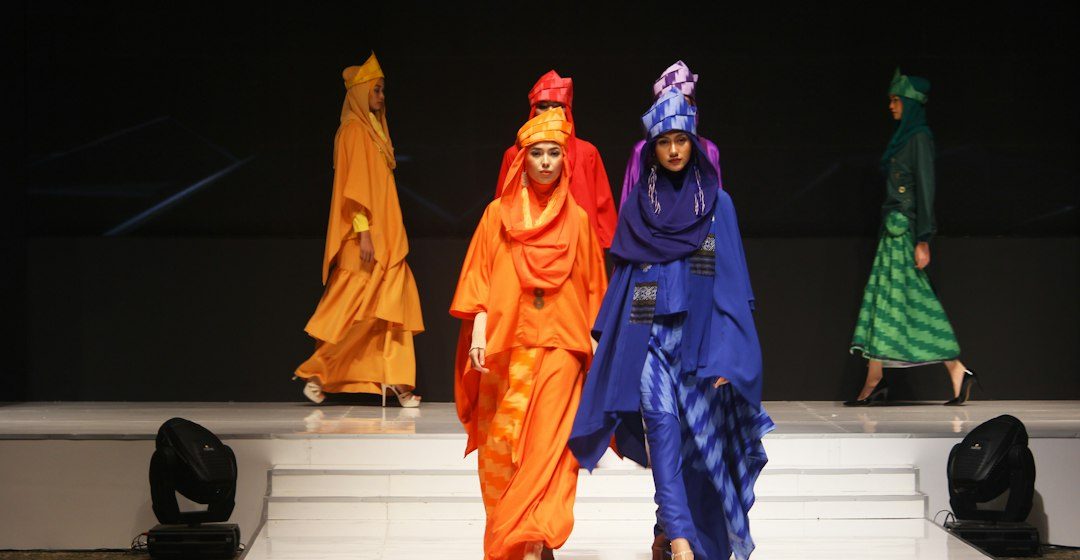
Ainhize Ganzabal’s project ILO offers a useful snapshot of how emerging designers are using fashion to investigate ideas rather than simply present a new look. Recognised at Getxo Moda Lab 2026, the collection explores the relationship between the body, space and surveillance through textile experimentation. Its significance lies both in the work itself and in the platform that brought a new generation of Basque designers into view.
A platform between education and industry
Getxo Moda Lab was introduced as a new space within the 39th edition of Getxo Moda, held on 28 and 29 October. The initiative connected recent graduates with an event that has a public audience and links to the wider fashion sector. For a young designer, that setting can provide something a classroom cannot: a chance to see how an idea is read beyond the institution where it began.
The platform also reflects a practical challenge for emerging labels. A collection needs more than a strong concept to become a sustainable practice. Designers need opportunities to present work, meet potential collaborators, understand production constraints and learn how to explain their decisions. A programme that combines visibility with professional contact can help make that transition less abrupt.
What ILO investigates
ILO takes the body as a starting point, but it does not treat clothing only as a surface placed over it. The project examines how people occupy space and how they are seen within it. Surveillance becomes a design question: what is exposed, what is protected and how can a garment alter the relationship between a wearer and the environment?
This conceptual framework gives the collection a direction beyond trend. It encourages viewers to consider the social meaning of a silhouette, a seam or a material choice. A garment can shape movement, create distance or make a person more visible. By bringing those questions into the design process, Ganzabal uses fashion as a tool for observation.
Unravelling as a design method
The project is notable for its textile experimentation and use of unravelling. Taking a fabric apart can reveal the structure that is normally hidden by a finished surface. Threads, edges and tensions become visible, allowing the designer to change the way a material behaves. The process can produce irregularity, openness and a sense of movement that a conventional finish might conceal.
Unravelling is not automatically sustainable or innovative; its value depends on the purpose and the way materials are handled. In ILO, it functions as a visual and conceptual method. The technique makes the idea of exposure tangible, connecting the physical structure of cloth with the project’s questions about visibility and control.
A cohort, not just one winner
Getxo Moda Lab included work from seven alumni of IED Kunsthal Bilbao, giving the programme a broader view of emerging talent. That matters because the future of a fashion scene is not created by a single award. It depends on a network of designers, schools, workshops, suppliers, mentors and audiences that can keep new ideas circulating.
The recognition attached to the project, including development support for selected participants, can help a collection move beyond a presentation. The next stage may involve refining samples, testing production methods, building a portfolio or finding partners. Those steps are less visible than a runway moment, but they often determine whether a promising idea can develop into a practice.
What happens after the award
For an emerging designer, the most useful outcome of a platform is not only press attention. It is feedback that can improve the work and contacts that can lead to further opportunities. A concept-led collection such as ILO may need time to find the right context, whether that is an independent label, a collaborative project or a design commission.
The wider lesson is that fashion education and the industry benefit when they meet early. Students bring experimentation and new questions; established businesses bring knowledge of materials, costs, timing and distribution. The exchange is not always easy, but it can help both sides understand what the next generation of Spanish fashion might look like.
Ganzabal’s recognition is therefore best read as part of a wider ecosystem rather than as a finished career milestone. The project gives the designer a public point of reference, while Getxo Moda Lab gives the local fashion community a way to discover work that might otherwise remain inside a school or studio. The next test will be how the ideas develop after the event.