 w2pK0wutQ3G2
Accessories are often treated as the finishing touch to an outfit, but the autumn–winter 2026/27 season suggests they can do more of the visual work. The latest Bisutex edition at IFEMA Madrid brought together hundreds of brands and presented a broad view of jewellery and accessories for the coming months. Its trade-fair signals point towards expressive pieces, visible craft and a renewed interest in objects that can change the character of familiar clothes.
A trade fair as a seasonal barometer
Bisutex’s September edition brought together more than 450 brands from over 15 countries, giving retailers and buyers a view of the season’s offer. A trade fair does not measure what every consumer will buy, but it does show what makers and suppliers are preparing to put in front of the market. That makes it a useful barometer for the language of accessories.
The range also shows how broad the category has become. Jewellery sits alongside bags, belts, hair accessories and other objects that can shift an outfit without replacing the wardrobe itself. For consumers, the practical question is not whether every trend should be adopted. It is which pieces offer enough personality and usefulness to earn a place in regular rotation.
Scale, colour and the return of the brooch
One visible direction is a willingness to let accessories take up more space. Larger forms, stronger colour and bolder combinations can make a simple coat or knitwear look more considered. The point is not to wear everything at once. A single piece with a clear shape can create a focal point and make a familiar outfit feel different.
The brooch is particularly adaptable because it can move between garments. It can be pinned to a lapel, scarf, knit or bag, and it does not require a new outfit to be useful. A brooch also invites a personal choice: it may be inherited, collected, handmade or chosen for a particular colour or motif. That flexibility helps explain its continuing appeal.
Craft details and material honesty
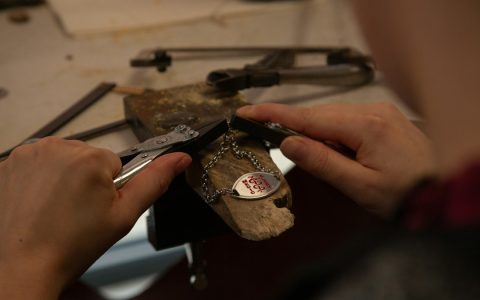
Artisanal finishes give accessories a sense of individuality. Surface texture, visible stitching, irregular shapes and hand-finished details can make an object feel distinct from mass-produced alternatives. These qualities do not automatically guarantee ethical production, but they can encourage buyers to ask better questions about who made an item, what it is made from and how it is finished.
Material choice matters just as much as appearance. Leather alternatives, recycled components and more durable metals are part of the conversation, but claims should be checked rather than accepted at face value. A clear material description and information about care are more useful than a vague sustainability label. Accessories are small objects, yet their production still uses resources and labour.
How to make a trend wearable
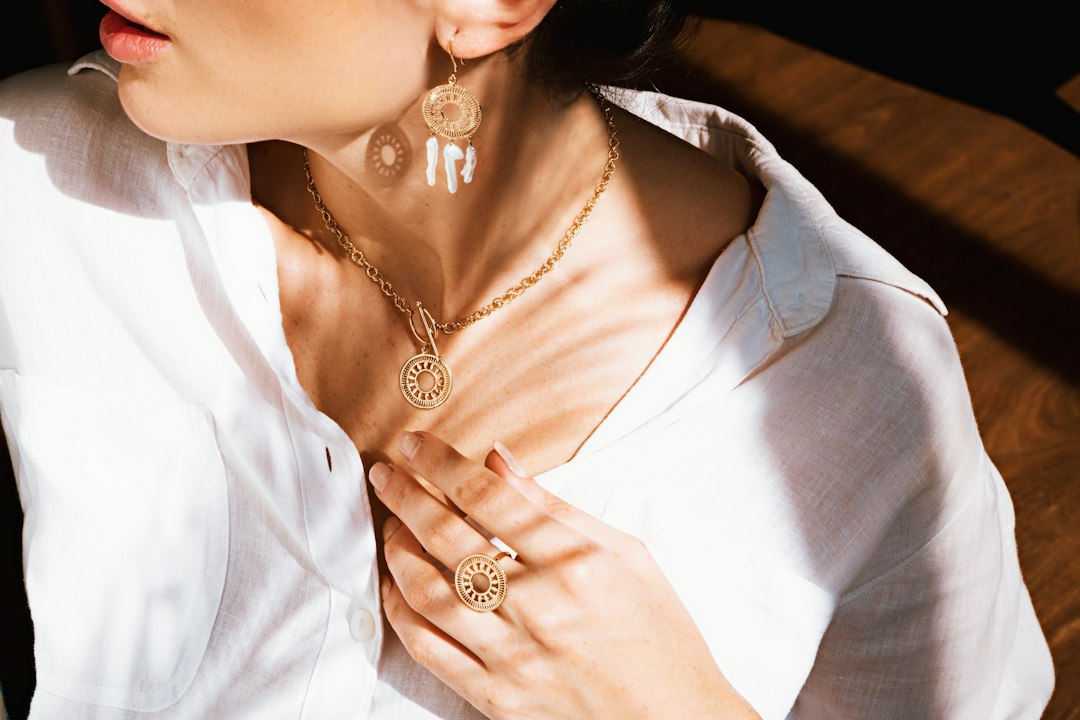
An easy way to work with a statement accessory is to keep the rest of the outfit relatively quiet. A bold brooch can sit against a plain coat; a colourful bag can lift a neutral look; sculptural earrings can be balanced with simple tailoring. This approach lets the accessory become a deliberate choice rather than one more element competing for attention.
Scale should also be considered in relation to the wearer and the garment. A large piece can work beautifully on a structured jacket but feel uncomfortable on a delicate knit. Weight, fastening and placement are practical details that matter as much as design. Trying an accessory with the clothes it will be worn with can prevent a purchase that looks good in isolation but is difficult to use.
A more considered accessory purchase
Because accessories are often less expensive than major wardrobe pieces, they can become impulse purchases. A useful test is to imagine at least three ways to wear an item with clothes already owned. If it works only with one outfit, it may have a shorter life in the wardrobe. Versatility does not mean choosing something plain; it means choosing something that can be used in more than one context.
Care is part of the decision as well. Metal finishes, stones, leather and textiles each need different storage and cleaning. Keeping pieces dry, avoiding harsh chemicals and repairing a loose fastening can extend their life. The most interesting accessory is not necessarily the newest one. It may be the piece that can be worn, maintained and passed on.
Bisutex is a trade event, so its trends should be read as signals from brands and buyers rather than as a guarantee of what will dominate the street. For shoppers, the strongest lesson is to look beyond novelty. A well-made accessory with a clear design and a reliable fastening can refresh a wardrobe for several seasons.