 w2pK0wutQ3G2
Vetusta Morla returns to the live stage in 2026 with a new set of songs and a tour that reaches seven cities. Madrid is one of the first places to host the new proposal: the band is scheduled at Movistar Arena on 19, 20 and 21 November, with each concert starting at 20:30. The run gives Spanish indie audiences a concentrated moment to reconnect with a band whose work has travelled well beyond its original scene.
A return to the stage with new songs
The venue describes the tour, Gira de Vuelta: Canciones de Ida, as a return to live performance built around new songs. That detail matters because a return tour can do more than revisit familiar material. It gives a band the chance to present where its creative work has moved while still allowing audiences to hear the musical identity they recognise.
For listeners, the balance between new material and a familiar catalogue is part of the appeal. A live concert can make a song feel different from its recorded version through arrangement, pacing and the energy of the room. The official event information does not publish a set list, so expectations about individual songs should remain open until the performances take place.
Three Madrid nights, one tour
Movistar Arena lists three consecutive dates in Madrid: Thursday 19, Friday 20 and Saturday 21 November. Doors are scheduled to open at 19:00, with the main performance at 20:30. The venue also notes that times are estimates and may change for production reasons, so visitors should check their ticket information before travelling.
Three nights in one city can serve different audiences. Some fans may choose the first show to be part of the opening moment, while others may prefer a later date that fits their schedule. The venue’s information also sets out access rules for younger attendees, making it important to read the event page rather than relying only on a poster or social-media announcement.
Why Vetusta Morla matters to Spanish indie
Vetusta Morla has become one of the most recognisable names associated with Spanish independent rock. The band’s public profile illustrates how an act can grow through live performance, word of mouth and a strong relationship with listeners without losing the identity that first brought it attention. Its return therefore has significance beyond the immediate ticket dates.
The wider Spanish indie scene has changed since many of its current audiences first discovered the band. Streaming platforms, short-form video and festival circuits have altered how music is found, but the live concert remains a place where a group can build a shared experience. A tour can connect people who know the catalogue in different ways and at different stages of their lives.
The live experience and fan communities
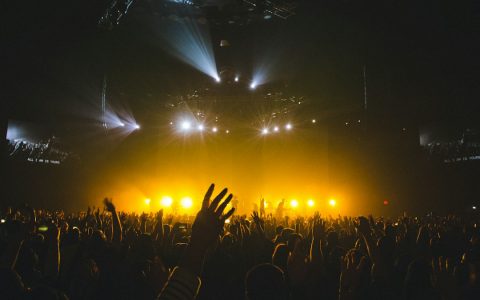
A concert is not simply a louder version of listening at home. The order of songs, the room’s acoustics, the audience response and the space between tracks create a collective experience that cannot be reproduced by a playlist. For a band returning with new work, the first performances also allow songs to be tested in front of listeners rather than only through studio recordings.
Fan communities play a role in that process. They discuss set lists, share memories of earlier shows and introduce new listeners to the catalogue. The most useful conversations usually leave room for different experiences rather than insisting that one era or album is the only valid entry point. A return tour can make that community visible again.
What to know before attending
Anyone going to Movistar Arena should check the latest venue guidance for entry times, ticket conditions and transport. The official listing gives the opening time as 19:00 and the concert start as 20:30, but those times can change. Visitors should also review the venue’s information for minors and any restrictions on bags or other items before leaving home.
After the show, the best way to approach the new material may be to listen without trying to compare every song with an older favourite. A return is not a museum visit; it is a new moment in a band’s working life. The three Madrid dates provide a chance to hear how Vetusta Morla wants to move forward, while allowing audiences to bring their own history to the room.
The dates are confirmed by the venue, but the exact running time and set list are not published. Readers should treat the event page as the source of truth for changes. The broader cultural point is simpler: a return to live performance can renew a relationship between a band and its audience without requiring either side to pretend that time has stood still.