w2pK0wutQ3G2
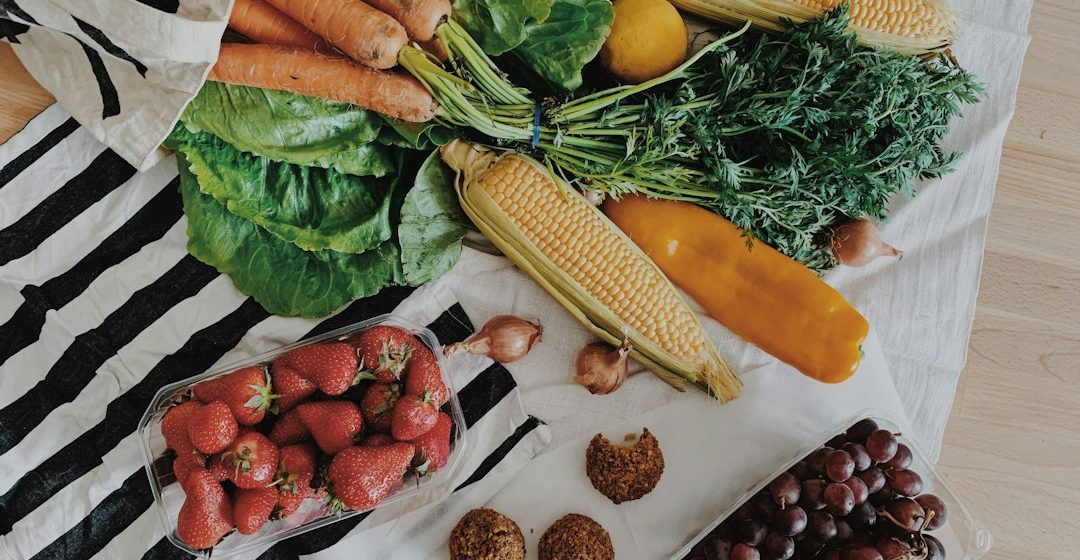
Everyday lifestyle choices often become complicated when they are treated as a complete system that must be perfected. A simpler routine can begin with one familiar place: a neighbourhood market, a weekly grocery stop or a small list of ingredients that can be used in more than one meal.
Start with a short plan
Instead of planning every breakfast, lunch and dinner for a full week, choose two or three meals that share ingredients. A pot of vegetables can become soup, a side dish or part of a grain bowl. A few pantry staples make it easier to turn leftovers into another meal rather than letting them sit forgotten in the refrigerator.
Markets can make this approach more flexible. Seasonal produce, local products and the rhythm of a regular seller may encourage shoppers to adapt a recipe to what is available. The point is not to romanticise every purchase or assume that a local market is always cheaper. It is to make the shopping decision more deliberate and reduce the number of last-minute choices.
Why small habits matter
Food planning is connected to time, budget, waste and the social part of eating. A manageable routine can reduce the mental load of deciding what to cook every day. It can also create an opportunity to share meals, try unfamiliar ingredients or make a favourite dish with a different seasonal variation.
European policy increasingly treats food waste as a practical issue, not just an individual preference. The European Commission’s revised Waste Framework Directive sets targets and encourages prevention measures across the food chain. The policy context is larger than household kitchens, but the everyday habits of shopping, storing and using food are one part of the system.
Make the routine realistic
Keep a running note of what is already in the pantry before shopping. Store produce so the most perishable items are visible. Freeze portions that cannot be used soon. If a recipe requires a special ingredient that will only be used once, consider whether a simpler substitution is reasonable. These are small adjustments, not rules to follow perfectly.
It can help to give a weekly routine a loose shape: one market visit, a couple of planned meals, and one flexible day for leftovers or eating out. The structure should save effort, not create guilt. If a week becomes busy, the plan can be shortened rather than abandoned.
A habit that leaves room for pleasure
Eating well is not only about efficiency. The market, the preparation and the meal can become part of the day’s social rhythm. A seasonal ingredient may inspire a new dish, while a familiar seller can make shopping feel less anonymous. The best routine is one that is easy enough to repeat and still leaves room for spontaneity.