w2pK0wutQ3G2
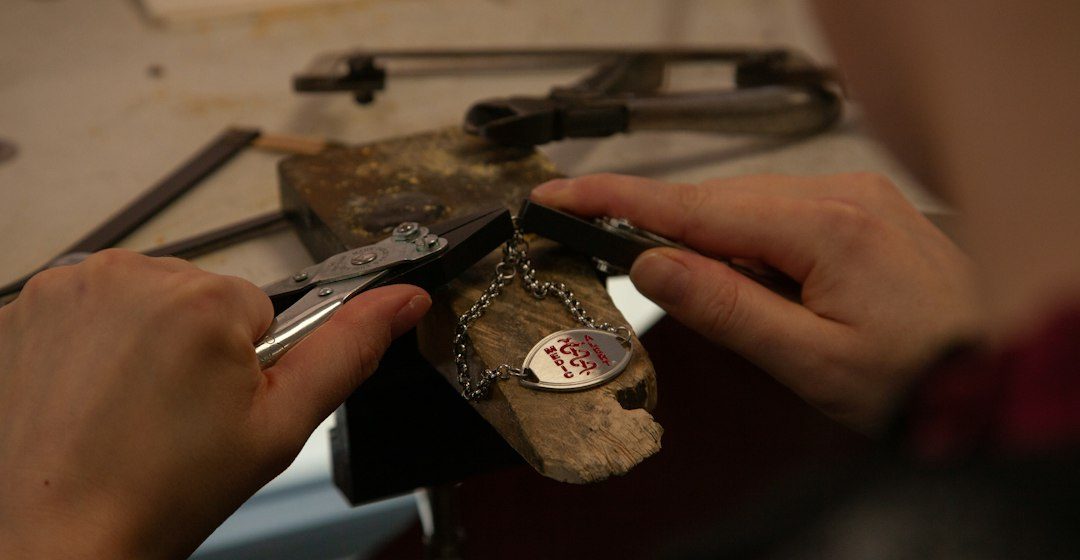
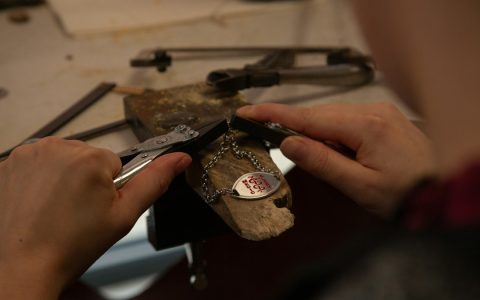
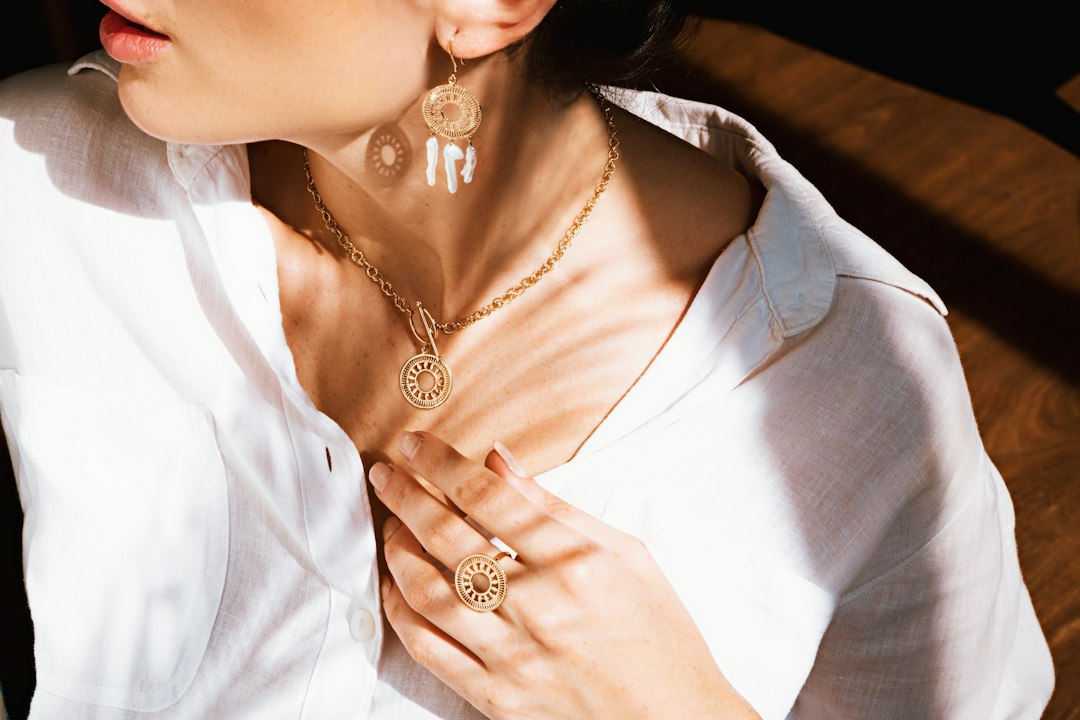
Jewellery is often photographed as a finished object: a necklace on a display stand, a ring catching light, or a bracelet beside a clean backdrop. But the design story begins earlier, at the workbench. Small decisions about thickness, clasp, surface, setting and movement determine whether a piece feels comfortable, durable and distinctive.
Craftsmanship is visible in the details
In a well-made piece, the parts meet cleanly. Edges are smooth, links move without catching, the clasp closes securely and decorative elements sit in proportion. These details may not be obvious in a social-media photograph, but they matter during everyday wear. A design that looks impressive from one angle should also be comfortable when the wearer bends a wrist, turns a neck or puts on a coat.
Madridjoya’s 75th edition in September 2026 brought more than 300 brands and companies from over 20 countries to IFEMA MADRID, spanning jewellery, watches, precious stones, pearls, artisan workshops and new design labels. The fair’s range illustrates how jewellery can sit between manufacturing, retail, design and craft rather than being reduced to a single aesthetic.
Material and finish tell different stories
Polished surfaces reflect light strongly and can make a piece feel formal. Brushed, hammered or matte finishes create a softer visual texture and may hide small scratches differently. Stones, enamel and mixed materials introduce colour and contrast, but also add maintenance questions. Buyers should ask how a piece is intended to be worn and what care its finish requires.
Craft is also about restraint. A designer can make a small piece memorable through a carefully shaped clasp or a thoughtful balance of weight. Not every design needs a large stone or complicated ornament. A subtle detail can become the element that makes a piece recognisable over time.
Buying with the maker’s process in mind
When choosing jewellery, examine the underside and back as carefully as the front. Look for consistent finishing, secure joins and clear product information. Ask whether the design is made in a small batch, whether components can be repaired and whether the seller offers after-care. For precious-metal pieces, confirm the metal, purity and any applicable markings through the seller’s documentation.
Craftsmanship does not guarantee that a piece will never need repair. It does make repair and maintenance more predictable. A durable clasp, accessible setting and sturdy connection can extend the life of an item—and help the wearer enjoy it beyond the occasion for which it was first bought.
Further reading
IFEMA MADRID: Madridjoya’s 75th edition · About Madridjoya and its jewellery sector programme