w2pK0wutQ3G2
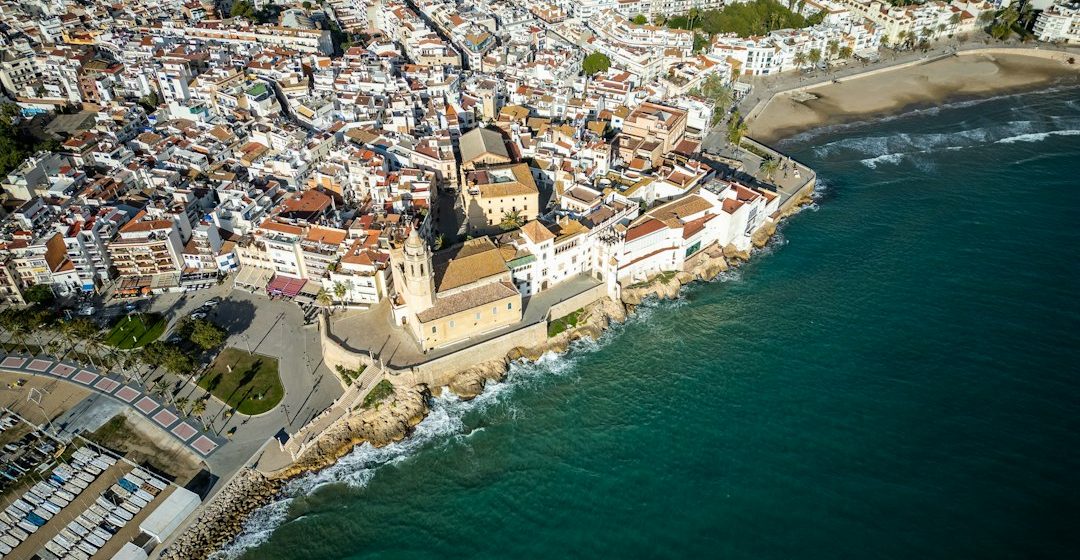
Travelling outside the peak summer period can feel more relaxed, but it does not guarantee an empty destination or lower prices. Spain’s latest tourism figures show that September remains a busy month. The shoulder season can offer a different pace and weather, yet popular cities and coastal areas still need planning.
What the official numbers say
The Instituto Nacional de Estadística reported that Spain received 10.1 million international tourists in September 2026, 4.3% more than in September 2025. For the first nine months of the year, arrivals exceeded 80.5 million, up 5.2% year on year. Hotel overnight stays also increased in September, while the hotel price index rose annually.
Those figures are national snapshots. They do not tell you whether a specific town, neighbourhood or attraction will be crowded on the day you visit. They do, however, challenge the idea that September and autumn are automatically quiet everywhere.
Choose a place for the season
In cooler months, a destination with museums, markets, walking routes and indoor cultural venues may be more satisfying than a beach-only itinerary. Coastal towns can still be beautiful in changing weather, but check opening days, transport connections and the availability of services before committing to a long trip. Smaller towns may have limited schedules outside the summer peak.
Rather than trying to cover several cities in a few days, choose one base and add nearby experiences. A morning walk, a local museum, a meal at a neighbourhood restaurant and an afternoon train ride can create a richer sense of place than a checklist of attractions.
Travel with a flexible plan
Build your schedule around one reservation or timed activity each day, then leave space for weather and discovery. Use public transport where it fits, check the last return connection and keep a backup plan for rain. If you want to visit a popular venue, book ahead even in the shoulder season.
Spend time locally
Slow travel does not mean doing nothing. It means allowing enough time to notice local routines: a market, a small exhibition, a regional food tradition or a route that is best experienced on foot. These activities often require less advance planning than a major attraction, but they reward curiosity.
Spain’s visitor numbers show that travel demand remains substantial. The useful takeaway is to plan for the season you are actually visiting, not an imagined empty version of it. A flexible itinerary and realistic expectations can make the shoulder season memorable for the right reasons.
Further reading
INE: International tourist arrivals, September 2026 · INE: Hotel tourism and price trends, September 2026