 w2pK0wutQ3G2
Spain’s tourism story is often told through visitor totals, but spending patterns can reveal another part of the picture. The National Statistics Institute reported that international tourists spent €14.488 billion in Spain during September 2026, an 8.1% increase compared with September 2025. Average daily spending reached €212, up 4.0% year on year. The figures show the economic scale of international travel, while also inviting a closer look at how visitors choose where and how to spend their time.
What the September figures show
The INE’s provisional September expenditure survey reported average spending of €1,429 per international tourist, 3.6% higher than a year earlier. The average daily figure rose to €212. These measures are different: total spending reflects the combined amount spent by visitors, average spending per tourist reflects a trip-level figure, and daily spending helps describe expenditure across the length of a stay.
The statistics should not be read as a description of every visitor or every destination. Spending varies with origin market, length of stay, travel style and the region visited. The national figures are useful as a broad indicator, but travellers and local businesses may experience very different conditions from one town or season to another.
Look beyond the busiest places
Spain offers more than a short list of internationally recognised cities and coastal resorts. Smaller towns, inland routes, local markets and cultural sites can give visitors a more detailed understanding of a region. Travelling outside the busiest periods may also make it easier to spend time with local businesses and visit places at a slower pace, although opening hours and transport services can change with the season.
Choosing a less familiar destination should involve more than searching for a quiet photograph. Visitors can check whether public transport is practical, whether local services remain open and whether a site requires advance booking. A realistic plan respects the fact that many smaller places are working communities first and visitor destinations second.
Spend in ways that support local experience
Tourism expenditure is not only a headline total. It is made up of accommodation, food, transport, shopping, cultural activities and many smaller purchases. Travellers can make their spending more connected to a place by choosing independent restaurants, local guides, craft workshops and regional products where these options are available. This does not guarantee that every euro stays in the local economy, but it can create more direct contact with the people and businesses that shape a destination.
Visitors should also be curious about the stories behind what they buy. A product described as local may have been produced elsewhere, while a small workshop may be able to explain its materials and process in detail. Asking questions and checking provenance can make shopping a cultural experience rather than a routine souvenir stop.
Plan for comfort and access
Thoughtful travel begins before arrival. Check the weather for the specific region, consider the amount of walking involved and leave time between activities. In coastal areas, wind and changing conditions can affect boat trips or waterfront plans. In historic centres, narrow streets, steps and limited vehicle access may influence how visitors move around. These details can make the difference between an enjoyable itinerary and a rushed one.
It is also worth checking the local calendar. Festivals, public holidays and market days can offer a richer experience, but they may also affect accommodation prices and transport availability. A flexible schedule makes room for an unexpected exhibition or a conversation with a local guide without requiring every hour to be planned in advance.
Travel with awareness of place
Popular destinations can face pressure on housing, public space, waste systems and natural environments. Visitors can reduce avoidable impact by following local guidance, respecting residential areas, using marked paths and avoiding behaviour that damages fragile sites. These actions are not a substitute for good public policy or destination management, but they are part of being a considerate guest.
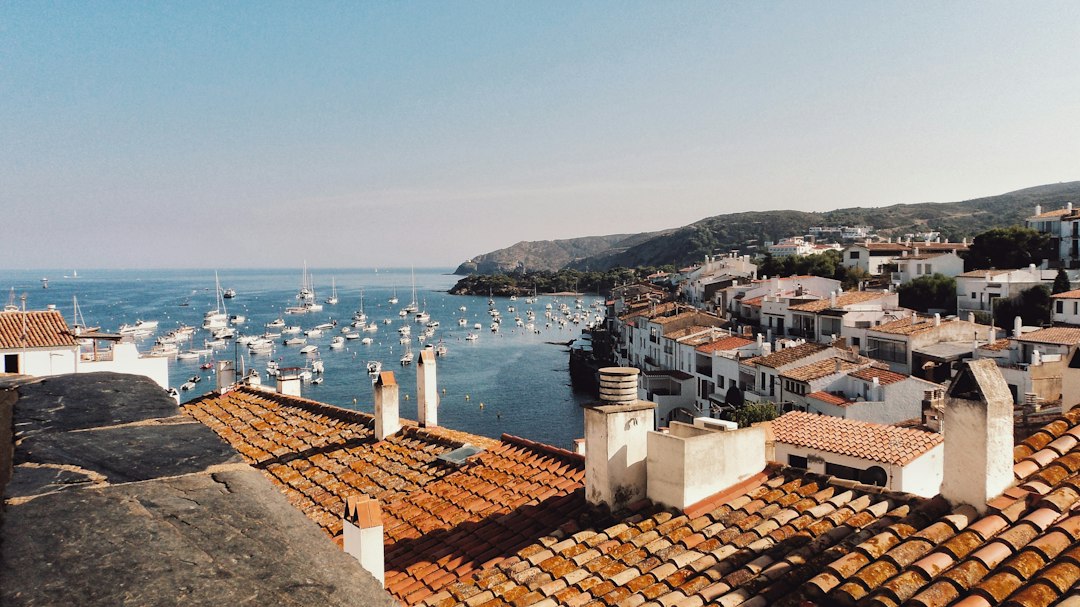
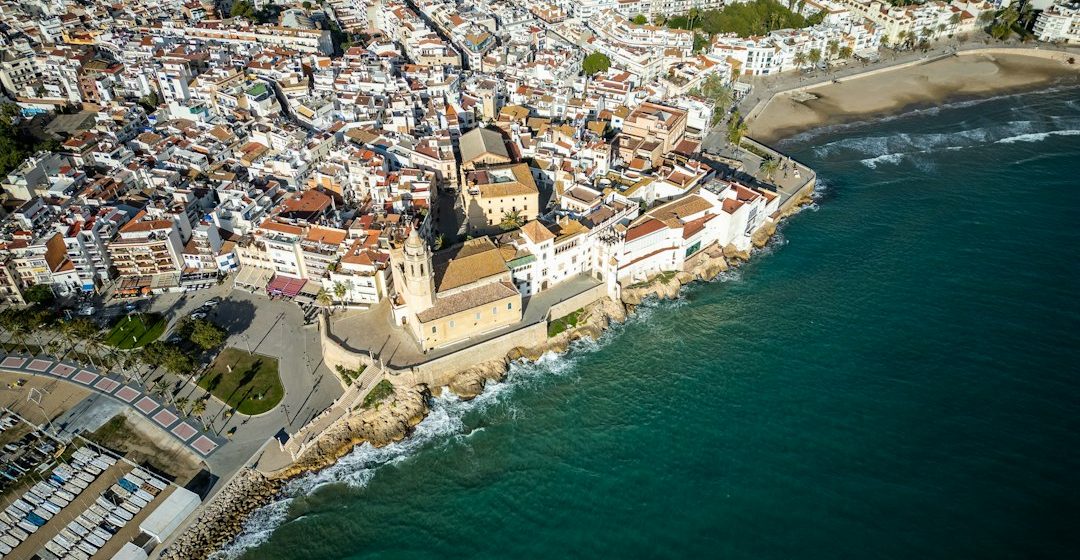
Travellers should also distinguish between a destination’s marketing image and its everyday reality. A coastal town is not only a beach; it is also a working port, a neighbourhood, a school route and a place where residents live throughout the year. Understanding that wider context often makes a visit more rewarding and encourages behaviour that is respectful rather than extractive.
Use the numbers as context, not a checklist
The September spending figures show that international visitors continued to contribute a substantial amount to Spain’s economy in 2026. They do not tell travellers exactly where to go or how much they should spend. A better use of the data is to understand the scale of the sector while making personal choices based on interests, budget, season and local conditions.
Spain can be explored through a slower itinerary that leaves room for regional differences and local knowledge. The most memorable trip is not necessarily the one with the most stops or the highest spend. It is often the one in which visitors have time to understand a place and make choices that respect the people who call it home. Source: INE — Total Expenditure Survey, September 2026, published 4 November 2026.