w2pK0wutQ3G2
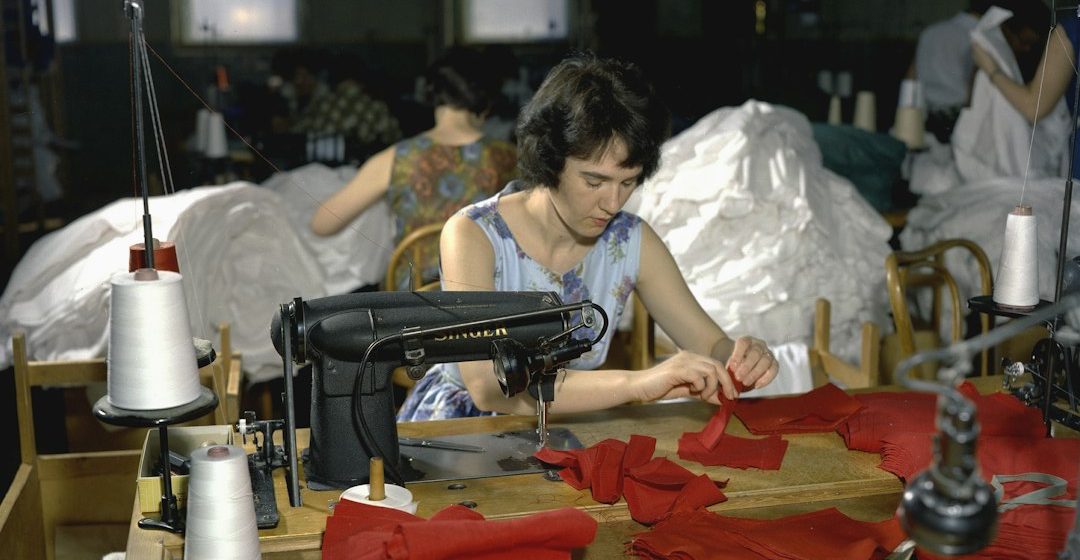
Leather craft is often described through a finished bag, belt or shoe, yet the value of a workshop lies in the knowledge that makes the object possible. Cutting, skiving, stitching, edge finishing, pattern adjustment and material selection are skills learned through repetition. In places with a concentrated craft tradition, the challenge is not simply to preserve old techniques; it is to make them viable for people who will use them in the next generation of products.
Knowledge lives in the workshop
Spanish fashion and accessories are shaped by many local production cultures. A workshop can carry a distinctive approach to material, finish and construction, but that knowledge is often difficult to capture in a written instruction. Experienced makers judge leather thickness, grain, tension and how a piece will wear. They can adjust a pattern when a material behaves differently than expected. This kind of tacit knowledge is part of the product’s quality.
Ubrique is widely associated with leather goods and artisanal production. The broader lesson for regional craft is that heritage is not a museum label. It depends on apprenticeship, stable orders, access to materials, working conditions and the ability to adapt to contemporary customer expectations without losing the skill that makes the work distinctive.
Modernization without erasing the craft
Digital pattern tools, online catalogues, photography, traceability and small-batch planning can help workshops communicate with clients and manage production. But the tools should solve practical problems. A digital pattern is valuable when it improves repeatability or reduces waste; a social-media campaign is useful when it shows the process accurately and reaches customers who appreciate it. Technology should support the maker, not turn craftsmanship into a staged aesthetic.
Brands also need to be careful about the language of authenticity. A label should be able to explain what is made locally, what is outsourced, which materials are used and what the maker’s role is. Transparency builds trust more effectively than a vague claim about tradition.
Making the future possible
Craft heritage survives when it is practiced, paid for and taught. Designers can work with workshops early, allowing production knowledge to shape a product rather than asking artisans to execute a finished idea without context. Customers can value repair, durable construction and clear provenance. Schools and local organizations can help connect young people with technical skills and career pathways.
The future of Spanish craft does not require every workshop to become a global luxury brand. It requires a viable way to keep expertise in circulation. A well-made object is a record of that shared knowledge—and an invitation to pass it on.
Further reading
Museo del Traje, Spanish fashion and craft collection context.