w2pK0wutQ3G2
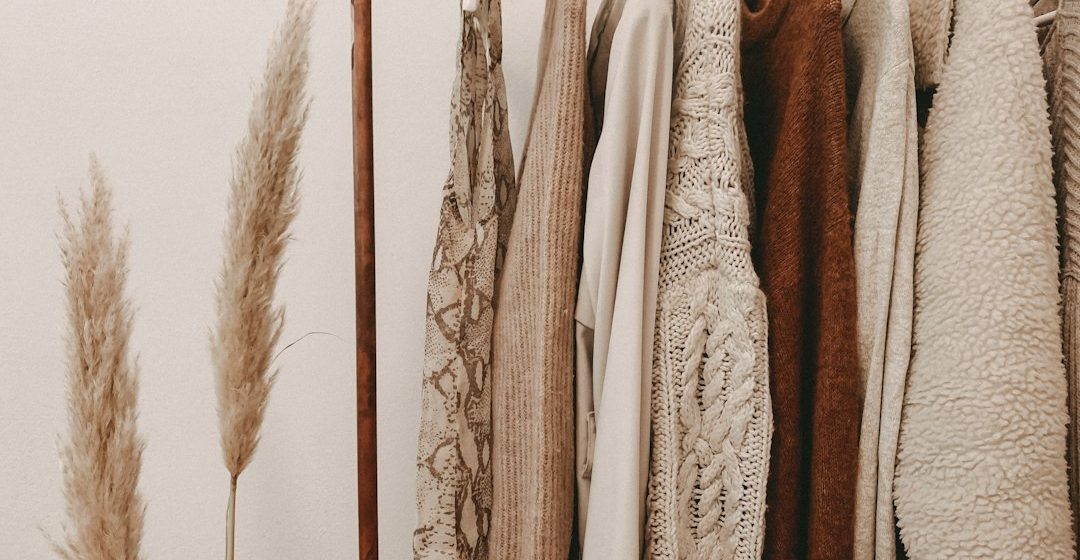
Limiting an outfit to three colours is a helpful styling exercise because it creates a clear visual relationship between pieces. It is not a rule that every look must obey. The idea works best as a starting point for people who want to combine clothes more easily, especially when a wardrobe contains a mix of patterns, textures and layers.
Choose a role for each colour
Begin with a base colour that occupies most of the outfit—perhaps navy, charcoal, cream, denim blue or brown. Add a second colour through a shirt, knit or trousers. The third can be a small accent in a scarf, bag, shoe or jewellery. The proportions matter as much as the colours themselves: one dominant shade can make a combination feel calm, while equal amounts of three bright colours may create more visual energy.
Colours do not have to be exact matches. A tonal palette can combine several shades of one family, such as olive, sage and khaki. A contrasting palette can use a neutral with a brighter accent. If a patterned item already contains several colours, pick one or two of them for the rest of the outfit rather than adding another unrelated shade.
Think about texture and light
Colour is only one part of the effect. Matte wool, shiny satin, washed denim and smooth leather reflect light differently, so even a simple palette can look layered. The same colour can appear warmer or cooler depending on fabric and lighting. Check an outfit in daylight as well as indoors if the shade is important.
Accessories can help connect the palette. A belt or bag may echo the dominant colour, while metal jewellery adds a neutral-like accent. Shoes can ground a combination when they repeat a shade already present rather than introduce a fourth competing colour.
Adapt the formula to yourself
Use the rule to identify combinations you enjoy, then break it when a fourth colour makes sense. A striped shirt, a colourful sneaker or a seasonal coat may be the detail that makes an outfit feel personal. The aim is to reduce decision-making, not remove creativity.
Try photographing three outfits from your own closet and note which colour combinations you repeat naturally. That small exercise can help build a practical palette for shopping, packing or getting dressed on busy mornings. The most useful styling rule is one that gives you more options—not fewer.