w2pK0wutQ3G2
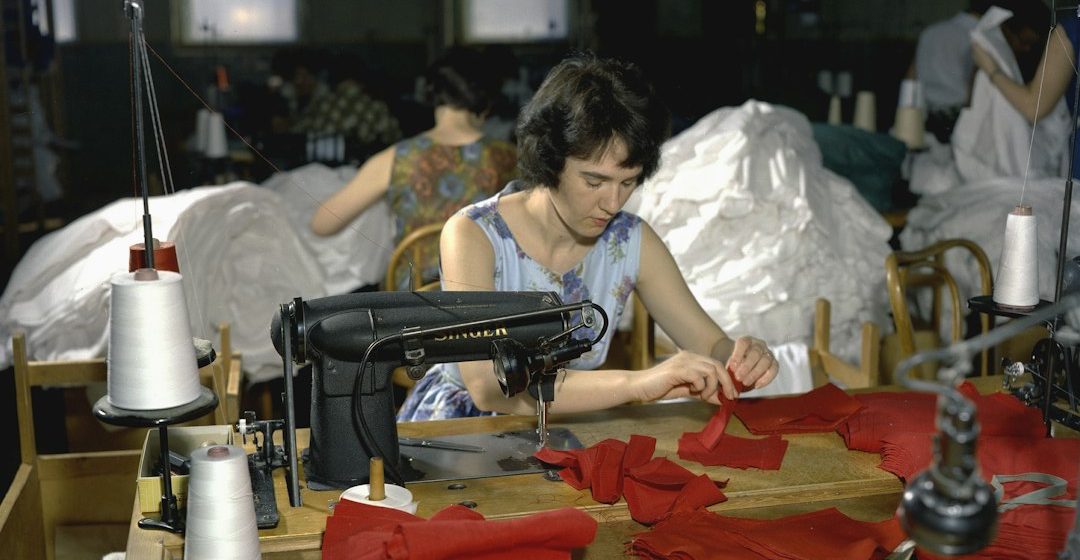
Ubrique, a town in Cádiz province, has become internationally associated with leather goods. The craft ecosystem there is built around workshops, suppliers, skilled workers and generations of experience. Its visibility in luxury fashion is a reminder that the value of a Spanish fashion label can come not only from a runway or campaign, but from the production knowledge behind a bag, belt or accessory.
A regional craft has global reach
Reporting on Ubrique’s leather industry describes how workshops supply products for international brands while maintaining a local manufacturing base. The town’s reputation is supported by accumulated skill: cutting, selecting materials, assembling pieces, finishing edges and managing the details that affect durability and appearance. Such knowledge can be difficult to replace with a single machine or a new process.
The local industry also has a practical challenge. International orders can provide work and visibility, but larger volumes may put pressure on workshop capacity, scheduling and the ability to preserve traditional methods. Smaller brands can struggle to secure production slots when demand is concentrated among bigger customers. That tension is familiar to fashion manufacturing regions where the same expertise serves both bespoke work and large commercial orders.
Craft is a process, not a marketing word
Leather craftsmanship involves a sequence of decisions. The maker considers the material’s thickness and flexibility, the direction of the hide, the shape of the pattern, the reinforcement needed at stress points, and the finishing method. A small change in one component can affect how a bag opens, how a strap wears or how a seam behaves over time.
Those decisions are often invisible in product photography. A buyer may notice the silhouette first, but the construction determines how the object handles everyday use. When a label communicates craft, it should explain what was made, where relevant work took place and which details distinguish the product—rather than using vague language that makes every item sound handmade.
Training keeps the knowledge moving
Craft regions face a generational question: how to bring new workers into skilled roles while experienced makers continue to teach. Training requires time, equipment, mentors and a path to employment. An artisan school or technical centre can connect learning with real production needs, helping young people see a viable career rather than treating craft as a disappearing tradition.
Technology can support this transition. Digital pattern systems, better inventory records, communication tools and small-scale automation may reduce repetitive tasks or help workshops coordinate orders. But the goal should be to support craftsmanship, not remove the expertise that gives the product its quality. A tool is valuable when it makes the process clearer and leaves room for skilled judgement.
New brands need realistic production relationships
For emerging Spanish designers, working with a leather workshop can be an opportunity and a learning curve. A good partnership starts with clear product specifications, realistic quantities, a timeline, material choices and an understanding of what a workshop can make. Samples should be reviewed before a production order, and changes should be documented to avoid confusion.
Small labels may need to be flexible about minimum quantities or launch schedules. A workshop’s capacity is not unlimited, and an order that looks modest on paper can require several rounds of development. Transparent communication helps both sides plan and reduces the pressure to promise dates that cannot be met.
Growth should protect the local ecosystem
Ubrique’s appeal is not just the existence of individual workshops; it is the concentration of people, suppliers, skills and institutions that reinforce one another. If demand grows, the region must consider how to maintain training, fair working conditions, production quality and access for smaller customers. Those are business questions as much as cultural ones.
Spanish fashion’s manufacturing heritage is strongest when it is treated as a living system. The next generation can bring new designs, digital tools and international markets, while experienced craftspeople continue to share techniques. That balance makes heritage more than nostalgia: it gives a local skill base a future in contemporary fashion.
Sources
- Vogue: Inside Ubrique, the small Spanish town dominating luxury leather
- Europa Press: Ubrique’s Bajo la Piel leather-goods fair
Featured image: workshop photo from the Provincial Archives of Alberta, via Unsplash (reused from the Emerging Designers article).