w2pK0wutQ3G2
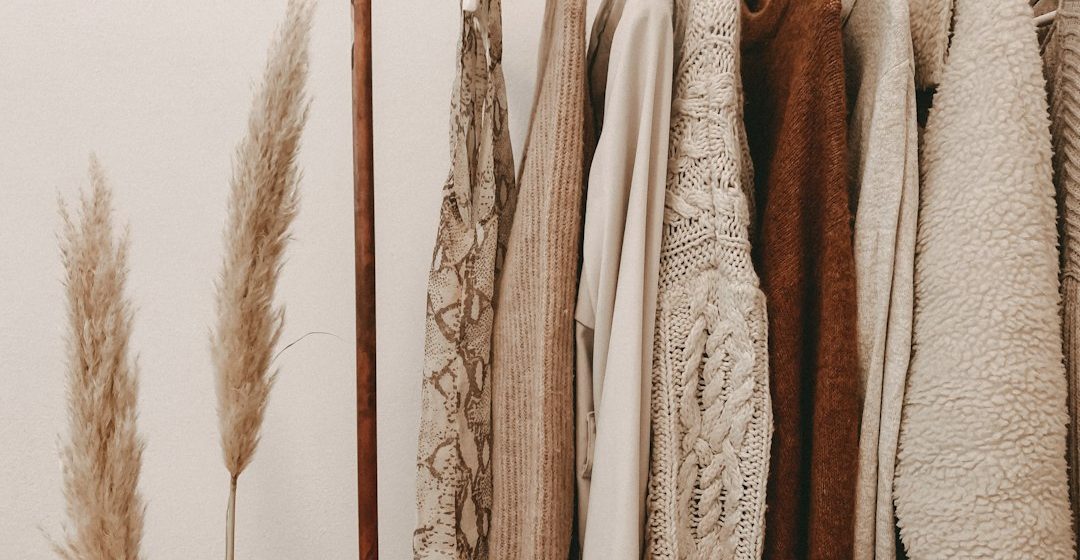
A wardrobe rotation is less about having a perfect capsule closet than about making clothes visible and easier to choose. When favourite pieces disappear behind rarely worn items, getting dressed can feel like a search. A small rotation—built around weather, work, activities and comfort—can help you notice what is useful, what needs repair and what no longer fits your routine.
Start with a realistic week
Look at the next seven days, not an imagined ideal lifestyle. If you commute, include pieces that handle walking, sitting and changing temperatures. If you work from home, choose clothes that feel comfortable but still suit video calls or errands. A rotation should reflect how you live; it should not create a new standard to keep up with.
Pull a manageable selection of shirts, trousers, layers, shoes and accessories. Keep the pieces that are easy to combine, comfortable and appropriate for the forecast. Place them where you can see them. Store the rest without treating it as a permanent discard pile. The point is to test a practical set, not to prove minimalism.
Use the rotation to spot gaps
As you wear the selected pieces, notice which combinations work repeatedly. A jacket that matches several outfits may be more useful than a statement item worn once. If you reach for the same garment every day, ask whether a second version or a repair would solve the problem. If an item stays untouched, note the reason: fit, fabric, care, weather or simply a change in taste.
These observations can guide future purchases. A short list of genuine gaps is more helpful than shopping because a trend appeared online. You may discover that the missing piece is a belt, a warm layer, a comfortable shoe or a better way to care for what you own.
Make maintenance part of the routine
At the end of the week, check buttons, seams, lint, stains and shoes. Set aside repairs before they become urgent. Return clean garments to the rotation and adjust it for the next week. Seasonal changes can be handled gradually, rather than replacing the entire closet at once.
A rotation is a flexible tool, not a rule. It works when it reduces friction, encourages care and lets personal style evolve. The best system is the one you can maintain without turning dressing into another task.