
 w2pK0wutQ3G2
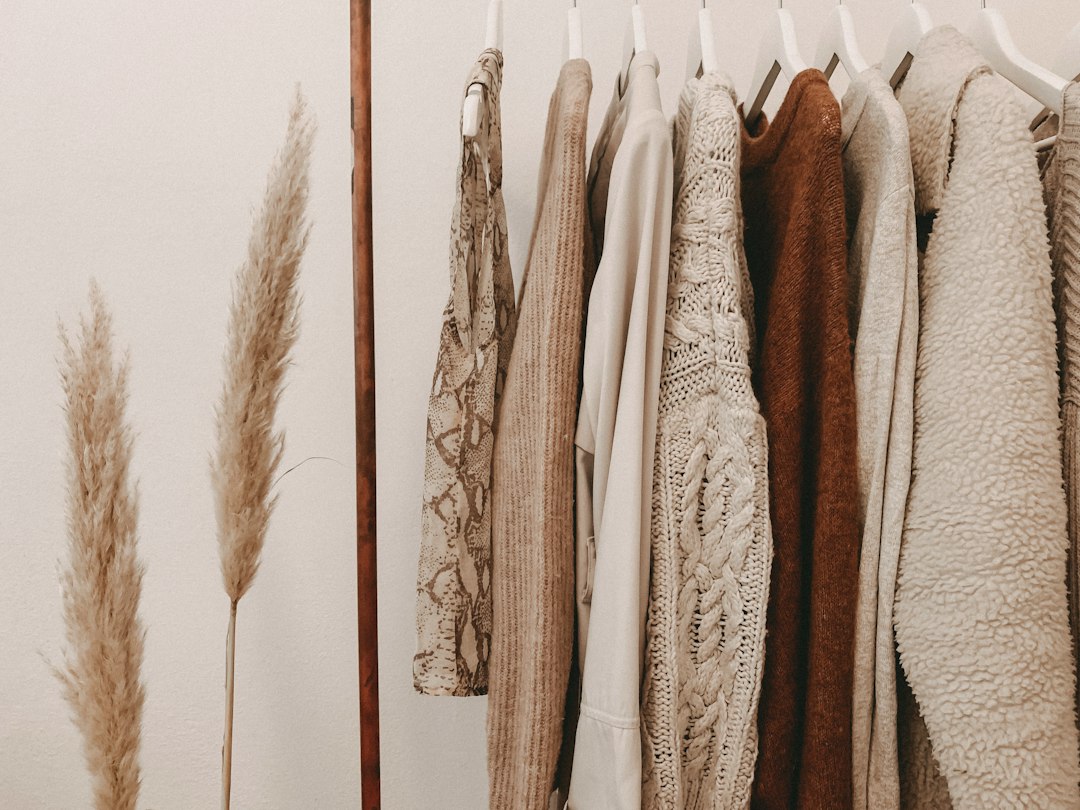
A winter coat is one of the most visible pieces in a wardrobe, but the best choice is rarely the one that looks most dramatic on a hanger. It should fit the clothes worn underneath, suit the weather encountered most often and be comfortable enough for ordinary movement. A coat that is too warm, too delicate or difficult to fasten may spend more time in a wardrobe than on the street.
Start with the climate and routine
Think about the conditions the coat will face. A person who walks to work in wind and rain has different needs from someone who moves mainly between a car and heated buildings. A lightweight water-resistant shell may be more useful for frequent showers, while a wool coat can work well in dry cold when it is properly lined and cared for. Very cold conditions may require insulation and a hood rather than a formal silhouette.
Consider the length as well. A longer coat can provide more coverage, but it should not restrict stairs, cycling or public transport. A shorter style may be easier to move in but leave more of the body exposed to wind.
Read the fabric label carefully
Wool blends, cotton twill, technical synthetics and down or synthetic insulation each behave differently. Fibre content alone does not tell the whole story: weave, lining, construction and finishing affect warmth, weight and weather resistance. If the label gives a care instruction that you cannot realistically follow, reconsider the purchase. A coat that needs specialist cleaning after every season may not suit a busy routine.
Check the surface for pilling, loose threads and uneven stitching. Look at the lining around the armholes and pockets, where repeated movement creates stress. Buttons should be securely attached, and zips should move without catching the fabric.
Fit it over real clothes
Try the coat over the thickest knit or jacket you expect to wear beneath it. Raise your arms, reach forward and sit down. The shoulders should allow movement without collapsing, and the sleeves should cover the wrist when your arms are extended. A buttoned coat should close without pulling across the chest or hips.
Pay attention to proportion. A roomy coat can look intentional when the shoulder line, sleeve length and hem work together. A slim coat may be elegant but should not compress layers or make walking uncomfortable. Alterations can help with sleeve length and some small adjustments, but major changes to shoulders or armholes may be costly.
Think about repair and long-term use
Before buying, ask whether spare buttons are included and whether the brand offers repairs. Check that the pockets are useful and that the closure suits how you move. A detachable hood or belt can add flexibility, but only if the pieces are easy to store and maintain.
Choose a colour that works with the clothes you already wear, unless the coat is deliberately intended to be a statement piece. Try to imagine at least three outfits rather than relying on a single styling photograph.
Make the final decision in context
The right coat balances weather, movement, fabric, care and personal style. It does not need to be the most expensive or the most fashionable option. A thoughtful fit and a material that suits your routine will usually matter more over time than a trend that looks compelling for one season.