w2pK0wutQ3G2
A piece of jewellery can look complete in a display case, yet the information that matters most to its long-term use may be less visible. Buyers often compare colour, weight and price before asking about the alloy, the setting, the clasp or the repair service. Those details influence how a piece wears, how it can be maintained and what happens if a stone loosens or a chain breaks.
Start with the material, not the marketing word
Descriptions such as gold, silver, vermeil and gold-plated are not interchangeable. They refer to different material constructions and can have different care requirements. Ask for the metal content and any hallmark or documentation that applies in the place of purchase. Hallmarking rules vary by country, so a mark should be interpreted in its legal and commercial context rather than treated as a universal guarantee.
For pieces that combine several materials, ask which parts are precious metal and which are base metal, coating, resin or other components. A ring may have a gold body and a plated detail; a necklace may use a precious-metal clasp with a different chain material. Clear descriptions help customers compare products fairly and avoid assumptions based on appearance alone.
Settings and fastenings deserve attention
The most attractive stone setting is not always the most practical for a particular routine. Prongs can catch on knitwear, while a low-profile setting may be easier to wear every day. A clasp should be easy enough to operate but secure enough for the weight of the piece. Earrings need a comfortable post and backing; bracelets should allow movement without creating pressure points.
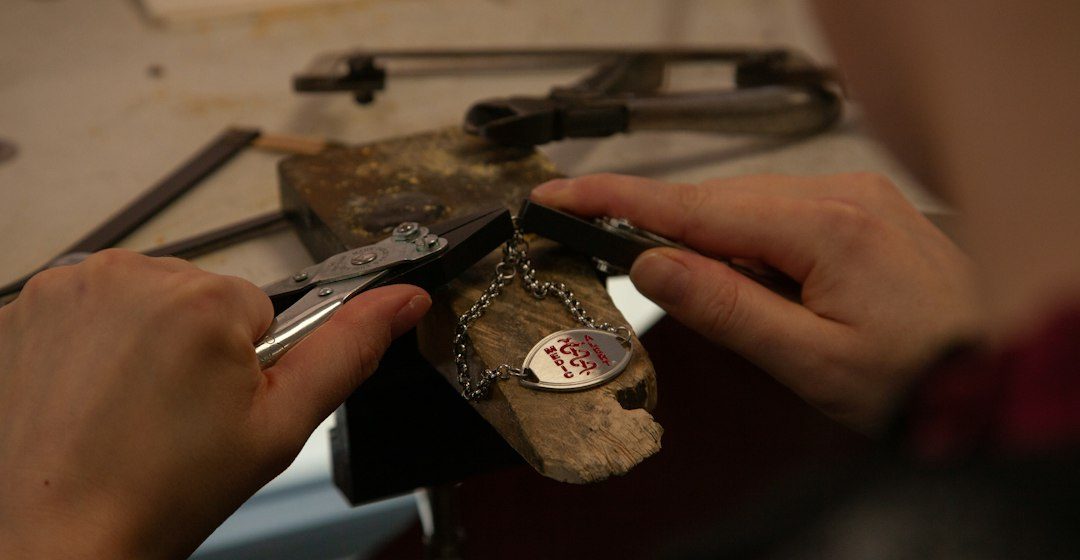
Ask whether a setting can be tightened, whether a clasp can be replaced and whether the maker offers resizing. Some designs are straightforward to repair; others use construction methods that make a repair difficult or uneconomical. Knowing the limits before purchase is more useful than discovering them after a problem occurs.
Aftercare is part of the product
Care instructions should match the actual materials. A single rule for every piece is rarely adequate. Some finishes can be damaged by abrasive cloths, chemicals or frequent polishing. Porous stones and treated materials may need more cautious handling than durable gems. If the seller recommends avoiding water, perfume or household cleaners, ask which component is sensitive and why.
Storage matters too. Separate pieces to reduce scratching, keep chains from tangling and use a dry place for items that are sensitive to moisture. A small amount of routine care can help, but customers should not attempt aggressive cleaning when the material or setting is uncertain.
Traceability and repair build confidence
Responsible jewellery retail is not only about a claim on a product page. It is also about whether the seller can explain material sourcing, provide a clear receipt and offer a realistic route for maintenance. Buyers can ask where the piece was made, what information is available about the metal and whether replacement parts can be obtained. Not every small workshop can provide a complete supply-chain audit, but it should be honest about what it knows and what it cannot verify.
Before paying, check the written return terms, warranty coverage and repair costs. Keep the invoice and any certificate with the piece. A little time spent on these questions makes the purchase easier to evaluate and can extend the useful life of the jewellery.
The shine attracts attention. Material clarity, sound construction and dependable aftercare are what help a piece remain part of a wardrobe.