w2pK0wutQ3G2
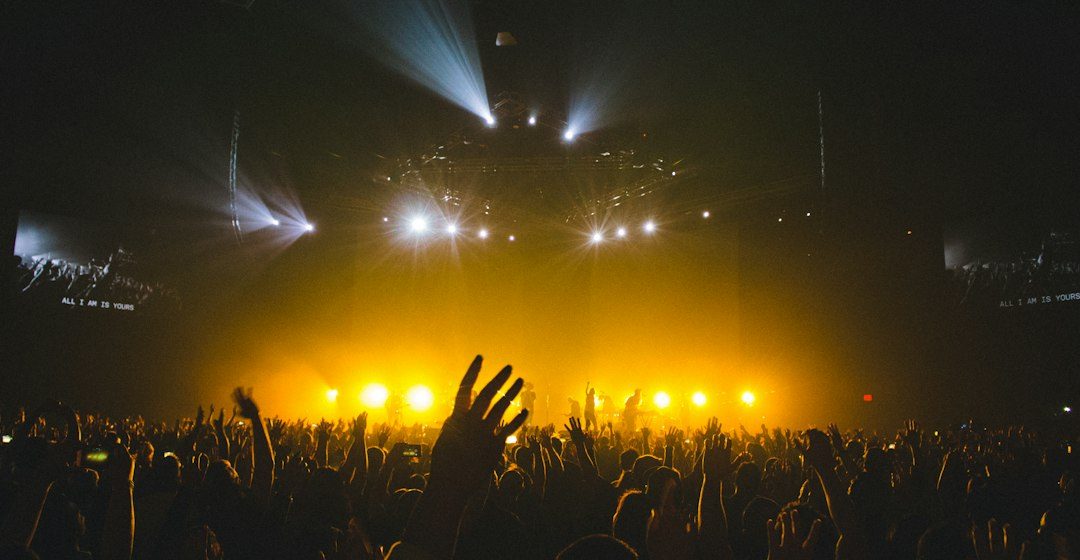
Pop culture is often described through global releases, celebrity moments and the platforms that distribute them. Yet many cultural conversations begin on a smaller scale: a local music night, a fan translation, a neighbourhood screening, a dance group or a creator who documents a scene that larger outlets have overlooked. These communities do more than react to popular culture. They help decide what gets noticed, remembered and passed on.
From audience to participant
Traditional media often treated audiences as the final stop in a distribution chain. Online communities have changed that relationship. Fans can organise watch parties, explain references, archive interviews, create subtitles, make visual guides or introduce new audiences to an artist. Their work can make a cultural moment more accessible, especially when the original material is difficult to find or understand.
Participation does not mean every contribution is equally reliable. A fan account may be excellent at collecting images but less careful with dates or rights. A translation can open a conversation while still needing review. Communities become more useful when they distinguish primary material from commentary, credit original creators and correct mistakes openly.
Local scenes add context that algorithms miss
Recommendation systems are good at connecting users with patterns in their behaviour. They are less reliable at explaining why a small venue matters to a city, how a regional music style developed or why a particular event brings different generations together. Local creators can supply that context through interviews, event diaries and first-hand reporting.
That work can also change how a scene sees itself. A careful photo essay or a short oral-history project may preserve details that would otherwise disappear when a venue closes or a community moves online. The value is not only nostalgia. It is a record of how culture is made in ordinary places.
Collaboration needs clear boundaries
Community-led culture works best when organisers are transparent about permissions, money and credit. A fan project that uses an artist’s work should explain what is original and what is borrowed. A local event should be clear about ticketing, accessibility and moderation. Creators who collaborate with brands should disclose paid partnerships so audiences can judge the recommendation fairly.
Moderation matters as well. A passionate community can become unwelcoming if disagreement turns into harassment or if newcomers are treated as outsiders. Clear rules, accessible reporting channels and consistent enforcement help protect the people who make the scene possible.
How to support a scene responsibly
Readers can start by following the creators who provide useful context, attending events when possible and supporting independent venues or publications. Share work with attribution rather than removing the creator’s name. Check dates and sources before repeating a rumour. If a community has published an archive or guide, respect its stated terms of use.
Global pop culture will continue to move quickly, but its meaning is often built slowly by people who care enough to document it. Small creator communities give audiences a way to participate, add local knowledge and keep cultural work visible. Their strongest contribution is not simply more content; it is a richer account of why the content matters.