
 w2pK0wutQ3G2
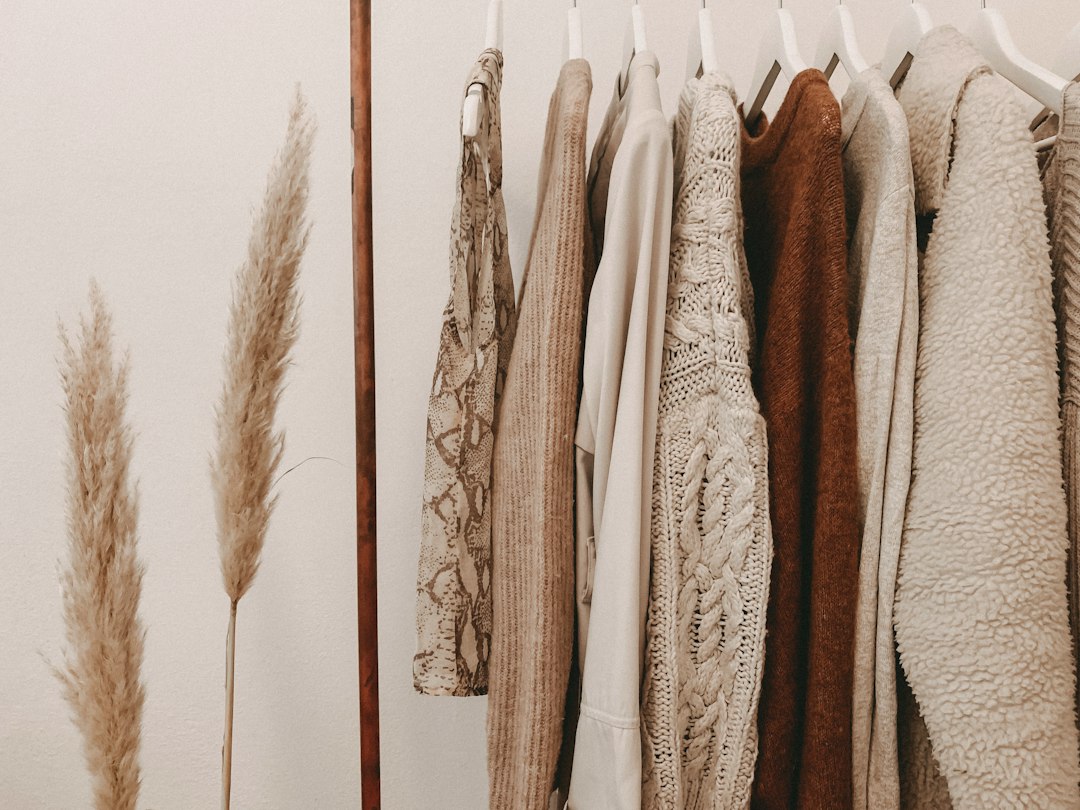
When temperatures shift, getting dressed can feel more complicated than it needs to be. A wardrobe may contain plenty of clothes but still lack combinations that feel comfortable, balanced and appropriate for different parts of the day. A practical winter approach begins with layers and proportion rather than a long shopping list. The aim is to build a small group of pieces that work together, adapt to changing conditions and remain useful beyond one season.
Start with the conditions you actually face
Winter dressing is not the same in every part of Spain. Coastal cities, inland areas and higher elevations can have very different temperatures, wind and rainfall. Before choosing a coat or knitwear, consider the conditions of a typical day: how much time is spent outdoors, whether commuting involves walking, and how warm indoor spaces are likely to be. A useful wardrobe responds to real routines rather than an idealised seasonal image.
Layering helps because it allows warmth to be adjusted. A breathable base layer, a shirt or fine knit and a protective outer layer can be more flexible than one heavy garment. The pieces should be comfortable together, not so bulky that movement becomes difficult. The best system is one that can be adapted without requiring a complete outfit change.
Think about proportion before adding colour
Proportion can make an outfit feel deliberate even when the colour palette is simple. If a coat is long and relaxed, a more defined trouser shape can create balance. If a top has volume, a straighter lower half may keep the silhouette clear. These are not fixed rules; they are ways to notice how different shapes relate to one another and how much structure a look needs.
Colour can then be used to connect the pieces. Neutrals such as navy, charcoal, brown, cream and black are easy to combine, but they do not need to dominate every wardrobe. One accent colour, a patterned scarf or a textured knit can create interest without making every item difficult to style. Repeating a small set of colours often makes getting dressed faster.
Use texture to create depth
Winter clothing offers opportunities to combine materials with different surfaces. Wool, denim, brushed cotton, corduroy, leather and technical fabrics each create a different visual and practical effect. A smooth shirt under a textured knit can add depth, while a structured coat can give a softer outfit a clearer outline. Texture becomes especially useful when the colour palette is restrained.
Comfort should remain part of the decision. A fabric that looks attractive but feels irritating or requires constant adjustment may not earn much wear. Check how a garment feels against the skin, whether it traps heat and how it behaves after washing. A good winter piece should make everyday movement easier, not turn dressing into a maintenance task.
Build combinations around repeat wear
Rather than planning a separate outfit for every day, identify a few reliable combinations. A knit with tailored trousers, a shirt under a cardigan, or a dress with tights and a coat can become a starting point. Change the shoes, bag or outer layer to adjust the formality. Repeating a successful combination is not a lack of creativity; it is a way to make a wardrobe work harder.
It can help to photograph outfits that feel good and keep the images as a personal reference. This is particularly useful during busy mornings, when there may be little time to experiment. If a combination repeatedly fails because of fit, temperature or movement, note the reason before buying a replacement. The missing piece may be a better layer or a different proportion, not an entirely new outfit.
Let the price context encourage thoughtful choices
Spain’s National Statistics Institute reported that clothing and footwear prices rose 7.9% month on month in October 2026, reflecting the beginning of the autumn-winter season. This is an index movement for the category, not a statement that every garment or retailer increased prices by the same amount. It does, however, provide a timely reason to plan purchases and avoid assuming that a seasonal wardrobe must be replaced all at once.
Before buying, check whether the item works with at least three pieces already in the wardrobe. Consider construction, care requirements and whether the garment fills a genuine gap. A well-fitting coat or pair of shoes may be more useful than several trend-led items that are difficult to combine. Waiting a day before an unplanned purchase can also reveal whether the interest is lasting or simply seasonal urgency.
Care is part of good styling
Repeat wear depends on keeping clothes in usable condition. Follow care labels, air garments between wears when appropriate, store knitwear folded rather than stretched on hangers and repair small problems before they become larger. Shoes benefit from cleaning and drying properly, while coats may need periodic brushing or professional care depending on the fabric.
Small repairs can extend the life of a favourite piece and preserve the fit that made it useful. A loose button, a minor seam opening or a worn heel does not always mean an item needs replacing. Knowing a local tailor or repair service can be as valuable as knowing where to shop.
Make winter dressing simpler
A practical winter wardrobe is built around repeatable decisions: choose layers for the conditions, balance proportions, use texture for interest and buy only when a piece has a clear role. The result can still be expressive, but it is less dependent on constant newness. Source: INE Consumer Price Index, October 2026.