w2pK0wutQ3G2
Getting dressed can feel easier when the colours in an outfit have a clear relationship. One simple styling method is to choose a base colour, add a supporting neutral and use a small accent. The formula does not require a capsule wardrobe or a strict palette; it gives a person a way to combine pieces they already own while leaving room for personality.
Start with a base
Choose one colour that anchors the outfit. It may be navy, black, brown, denim blue, cream or another shade that appears often in your wardrobe. A base colour can come from trousers, a skirt, a dress or a jacket. It should be a piece that is comfortable and easy to wear for the day’s activity.
Once the base is selected, build around it rather than changing every element. If the base is navy trousers, a white shirt or soft grey knit can support it. If the base is a neutral dress, an outer layer in a related tone may keep the look simple. Repeating a colour in more than one place can make an outfit feel connected.
Use the second colour to create balance
The supporting colour does not have to be another neutral, but it should be easy to combine with the base. Cream with brown, grey with burgundy, navy with pale blue or olive with tan are familiar pairings. These combinations work because the colours have enough contrast to distinguish the pieces without competing for attention.
Think about the setting as well. A bright combination may feel expressive and energetic, while a softer pairing can be useful for work or travel. There is no universal rule that certain colours belong only to certain occasions. The goal is to make the outfit feel comfortable for the person wearing it.
Add one accent
An accent can be a scarf, bag, shoe, belt, jewellery or a small area of colour. It is the detail that makes the outfit feel less predictable. If the base and supporting colour are quiet, a brighter accent can bring focus. If the clothing already has a strong pattern, the accent may be a texture or a metallic detail rather than another colour.
Keep the accent proportionate to the rest of the outfit. A bold shoe or bag may be enough; adding several competing elements can make the look feel busy. Try the outfit in natural light and take a quick photo if you want to see whether the colours balance from a distance.
Let texture do some of the work
Colour is not the only way to create interest. A knit, smooth cotton, denim, leather, wool or satin can add contrast even when the palette is limited. Mixing textures makes an outfit feel dimensional without introducing many new colours. Consider how fabrics behave together: a structured jacket can balance a fluid skirt, while a chunky knit may pair well with a clean, simple bottom.
Texture can also influence comfort and care. A garment that looks good but requires delicate maintenance may not be the best everyday choice. Check care labels and consider how the item will fit into your routine before buying it.
Adapt the formula instead of following it literally
Three colours are a useful guideline, not a limit. Some outfits work with two colours; others include a pattern with several shades. If a combination feels right, there is no need to remove a piece simply to follow a rule. The formula is intended to reduce decision-making, not constrain creativity.
Use it as a shopping check too. Before buying a new item, imagine at least two outfits it could join using your existing base colours. If the piece only works with one special combination, it may be harder to wear regularly. That does not make it a bad purchase, but it is worth knowing before committing.
Personal style grows through repetition and small experiments. A simple base, a supporting colour and one accent can help you get dressed more quickly, make existing pieces feel fresh and create a wardrobe that reflects your preferences. Once the combination feels natural, change one element and see what new possibilities appear.
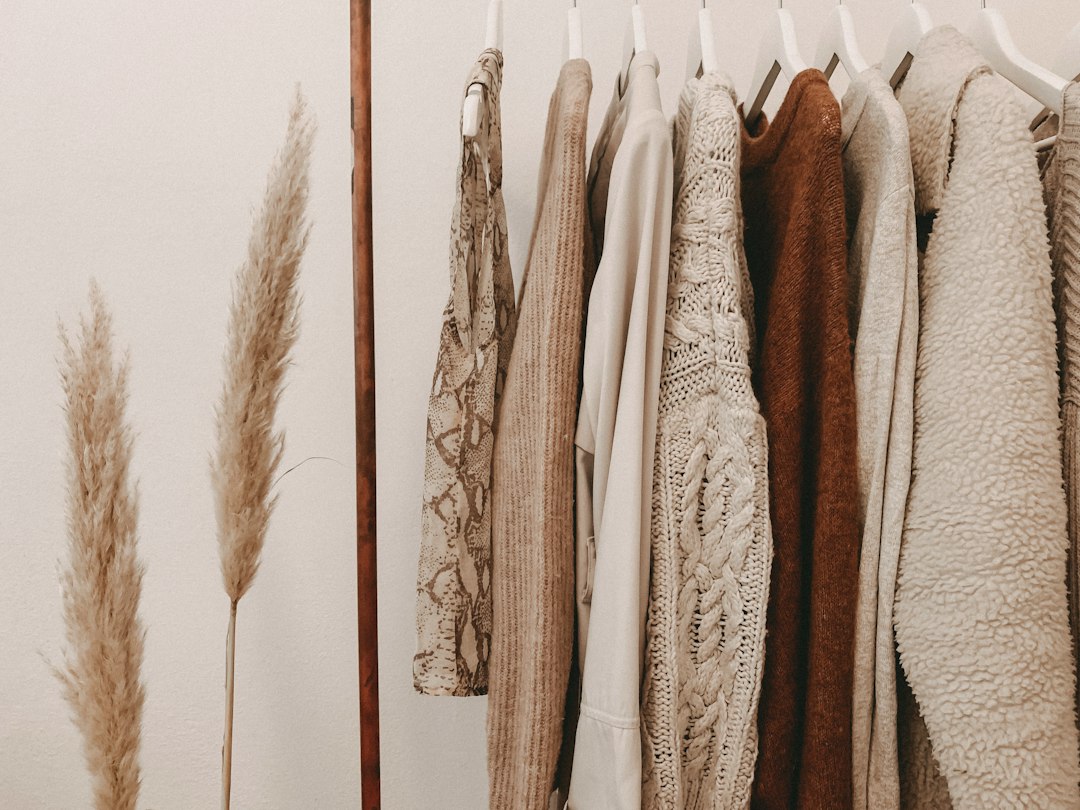
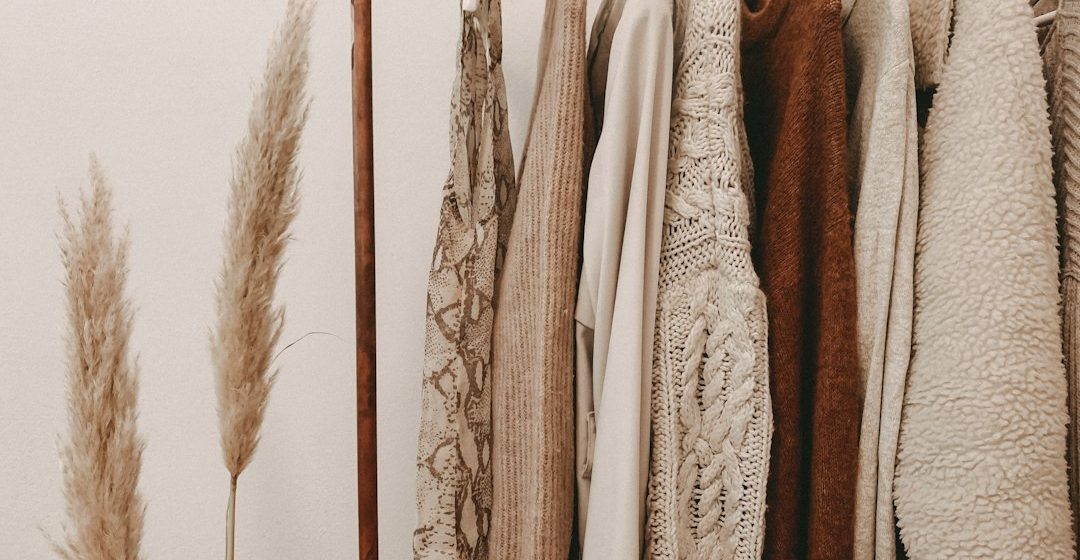
Featured image: clothing arranged for a wardrobe palette, photo by Alyssa Strohmann on Unsplash (reused from the Lifestyle article).