w2pK0wutQ3G2
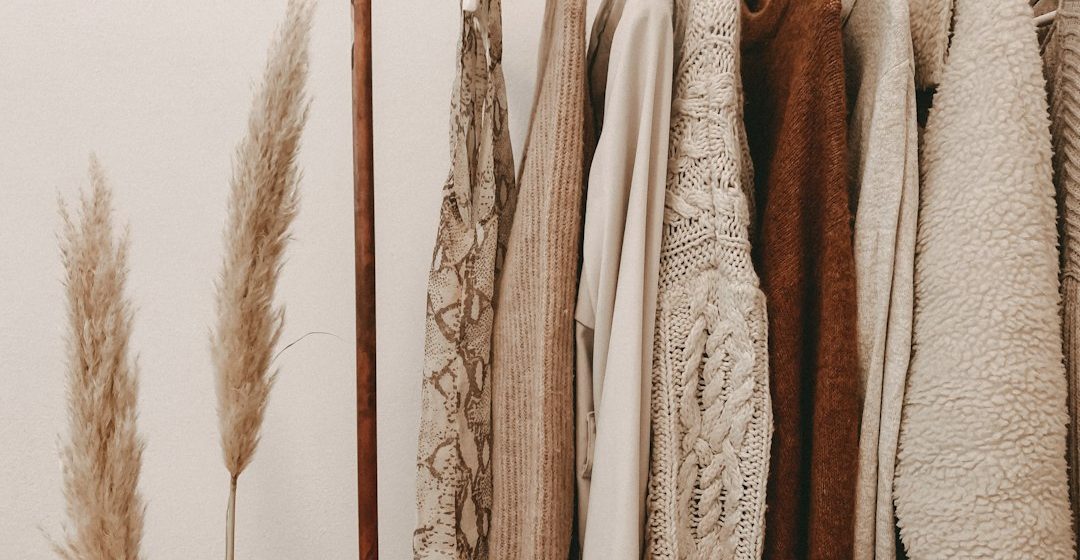
Many wardrobes contain clothes that are easy to forget: pieces pushed to the back, items that only work with one outfit, or duplicates bought because the original was difficult to find. A wardrobe rotation is a simple way to bring those pieces back into view. Instead of adding new items to solve a daily dressing problem, it helps people understand what they own and what is genuinely useful.
Make the wardrobe visible
Start by choosing a manageable group of clothes for the next week or two. Keep everyday pieces where they are easy to reach and move rarely worn items to a separate section. The goal is not to hide the rest of the wardrobe or create a strict uniform; it is to make the options you use most visible so mornings are less rushed.
When a garment returns to the rotation, notice how it fits, whether it needs repair and which combinations work. If an item consistently stays unused, ask why. It may be uncomfortable, difficult to care for, no longer suited to the routine, or simply a piece that does not feel like you. That information is more useful than a quick shopping list.
Build combinations from a few reliable pieces
Choose a small number of tops, bottoms, outer layers and shoes that work together. Repeat combinations if they feel comfortable. A rotation can include a favourite item more than once; the point is to use clothes, not to create a new outfit every day. Add an accent piece when you want variety, but keep the base simple enough that you can dress without making every choice from scratch.
People have different schedules, climates and preferences, so the ideal rotation is personal. Someone who works outdoors needs different clothing from someone who spends most of the day at a desk. A travel-heavy routine may require easy-care pieces, while a home-based schedule may make comfort the priority. A flexible rotation should reflect those realities.
Care and repair belong in the routine
As you use each item, check its condition. A missing button, loose seam or worn heel can be fixed before the garment becomes unusable. Follow care labels and avoid unnecessary washing when airing or spot-cleaning is appropriate. Keep a small list of repairs so they do not disappear from attention.
Organizing clothes also makes it easier to notice what needs cleaning, what should be stored for another season and what might be passed on. If an item no longer fits your routine, consider whether it can be altered, shared, resold or donated responsibly. The best option depends on the garment’s condition and local reuse systems.
Use a rotation to learn, not to judge
A wardrobe exercise can become another pressure to be perfectly minimal. Avoid setting a number of pieces that does not fit your life or treating every purchase as a failure. The purpose is to make clothing more useful and to reduce the friction of getting dressed. If you need workwear, sports clothes or seasonal items, keep them.
Track a few observations: which garments were worn often, which combinations were easy, what needed repair and what was missing. After two weeks, you may find that a pair of trousers works with more tops than expected, or that a coat is uncomfortable during your actual commute. Those small insights can guide a future purchase more accurately than impulse browsing.
Shop with a clearer question
Once the rotation has been used, any gap becomes easier to define. Instead of buying “something new,” look for a specific need: a warm layer, shoes suitable for daily walking, a colour that works with existing outfits, or a garment that can be repaired. Consider comfort, durability, price and care requirements alongside appearance.
When clothing is organized around use, it becomes easier to appreciate the pieces already in the wardrobe. A rotation is not a rule about how many items someone should own. It is a small habit that turns the closet into a practical resource, supports better care and leaves room for personal style without constant shopping.
Reference
Featured image: wardrobe organization, photo by Alyssa Strohmann on Unsplash.