 w2pK0wutQ3G2
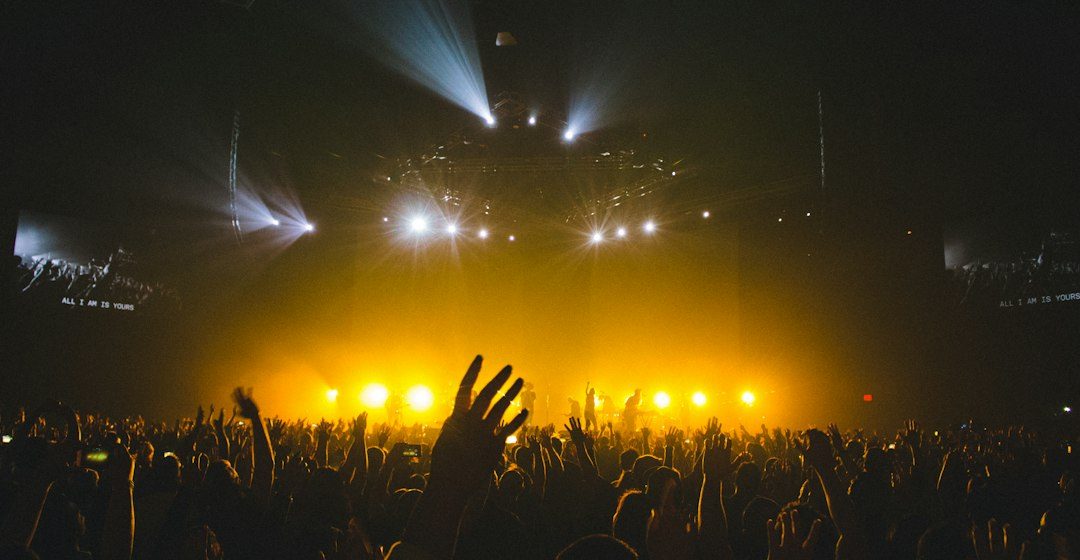
A major music appearance rarely ends when the performance is over. The songs, the staging, the clothes and the images shared afterwards can continue circulating as a single cultural moment. Rosalía’s appearance at the 2026 Latin Grammy Awards in Las Vegas is a recent example. Coverage of the event focused not only on her music and awards, but also on a sequence of contrasting looks that connected fashion with the visual language of her current era.
When a performance becomes a visual story
Music has always been connected to clothing. Stage costumes help artists establish a mood, signal a change in sound or create a recognisable silhouette. In contemporary pop culture, those choices are also photographed, clipped, discussed and remixed across social platforms. A look can become a point of entry for audiences who first encounter an artist through an image rather than through a full album or concert.
Vogue’s coverage of Rosalía at the 2026 Latin Grammys described several outfits across the event, including a custom arrival look and contrasting pieces worn during performances and award moments. The article connected the styling to the broader visual direction of her Lux era. The important point is not that every audience member must agree with the styling, but that the clothes formed part of the performance’s public language.
Fashion as part of an artist’s identity
An artist’s visual identity develops through repetition and variation. Certain shapes, colours or references may recur, while individual appearances introduce new collaborators or unexpected details. When the visual language is coherent, audiences can recognise the artist without needing a logo or caption. When it changes, the shift can signal a new chapter in the music or in the artist’s relationship with their audience.
Rosalía’s public style has often moved between references rather than staying within one fixed aesthetic. That flexibility is useful in a pop landscape where music, performance art, fashion and internet culture overlap. A stage outfit can borrow from couture, streetwear, archival fashion or theatrical costume, then take on a new meaning when it appears in a different setting.
Why designers benefit from cultural visibility
High-profile appearances can introduce smaller labels and experimental designers to a much larger audience. A custom look may prompt viewers to search for the maker, the collection or the technique behind it. That visibility can create opportunities, but it should not be confused with an automatic commercial breakthrough. The designer still needs a clear identity, the capacity to produce work and a way to communicate with people who discover the brand through the event.
For fashion audiences, this is a reminder to look beyond the celebrity wearing a garment. Who made it? What materials and construction choices give it its shape? Is it part of a larger collection or a one-off collaboration? Those questions turn a viral image into an opportunity to learn about the creative work behind it, rather than treating clothing as a disposable backdrop.
Social media changes the life of a look
In the past, a red-carpet image might have been seen in a magazine or television report. Today, it can move through short videos, fan edits, reaction posts and commentary within minutes. Each platform changes the framing: one viewer focuses on the silhouette, another on the designer, another on how the look relates to the artist’s music. The same image can therefore support several different conversations.
This speed can create pressure for artists and designers to deliver a constant stream of visual surprises. It can also flatten a complex creative decision into a simple ranking of best and worst dressed. A more useful reading considers the context of the appearance: the event, the music, the collaborators and the intention behind the styling. Not every look needs to be universally liked to be culturally significant.
From spectacle to lasting influence
A pop-culture moment becomes more meaningful when it changes how audiences think about an artist or a creative field. If an appearance leads people to explore a designer’s work, revisit an album or notice a particular craft technique, its influence can extend beyond a single news cycle. The most interesting visual moments often combine recognisable references with a choice that feels new or slightly unexpected.
That does not mean every celebrity outfit should be treated as a trend forecast. A performance look is made for a particular person, event and stage. The more valuable takeaway is how music and fashion can work together to tell a story, while leaving room for designers, stylists and performers to take creative risks.
Reading the moment with curiosity
Rosalía’s Latin Grammy appearance shows how contemporary pop culture is built across sound and image. The clothes helped frame a musical era, while coverage and social discussion extended the moment beyond the ceremony. For readers, the best way to follow such moments is to stay curious about the creative team and the references behind the image, rather than reducing the conversation to a fleeting verdict.
Further reading: Vogue’s coverage of Rosalía’s 2026 Latin Grammy looks.