 w2pK0wutQ3G2
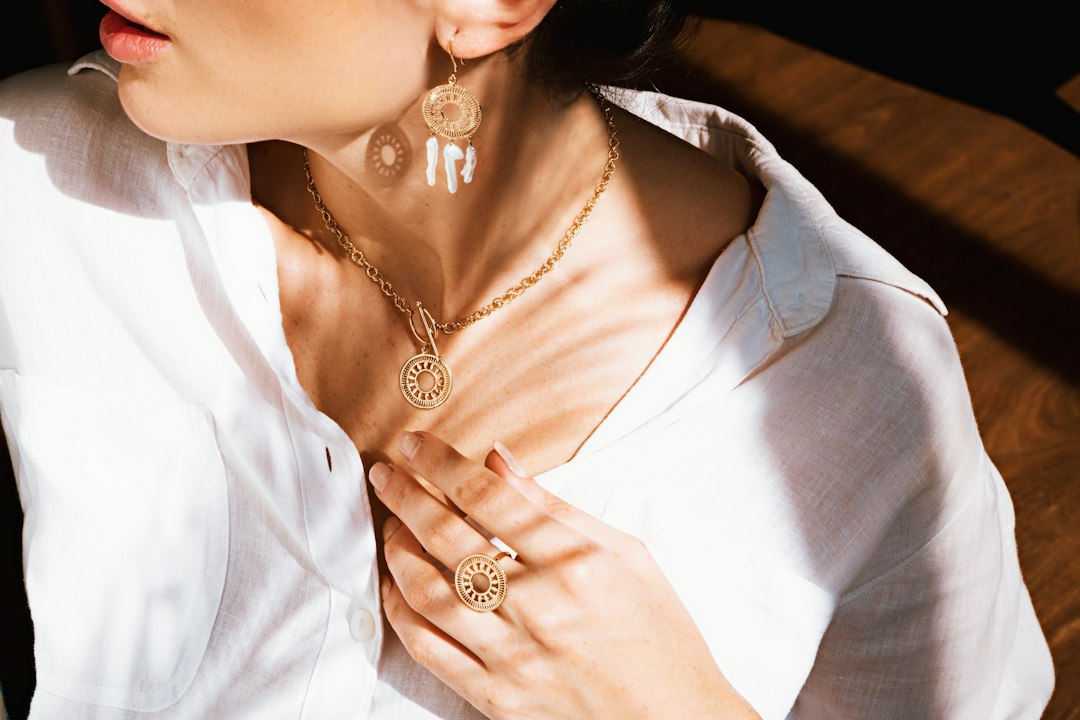
A piece of jewellery can carry more than a design. It can also carry the reputation of a place, the knowledge of a workshop and techniques passed from one generation to another. In July 2026, “Joyería de Córdoba” became the first Spanish name registered under the European Union’s system for craft and industrial geographical indications. The recognition gives the name protection across the EU and brings a practical question into focus: how can traditional jewellery remain recognisable and credible in a market where products move quickly online?
What the recognition means
The Spanish Patent and Trademark Office and the European Union Intellectual Property Office reported that the registration protects the name “Joyería de Córdoba” as a craft and industrial geographical indication. The system is designed for products whose qualities, reputation or characteristics are linked to a particular place. It is not a general label for every jewellery item made in Spain, nor does it mean that every producer can use the protected name.
According to the official notice, use of the name is limited to producers operating within the municipality of Córdoba and complying with the registered product specification. That distinction is important. A geographical indication is tied to defined conditions, not simply to a marketing story about Spanish origin. It gives buyers a clearer basis for understanding what the protected name represents and gives eligible producers a shared right to defend it.
Why origin can matter in jewellery
Jewellery is a field where material, technique and finishing can be difficult to judge from a photograph. Two pieces may look similar online while differing in their construction, durability or the skill involved in making them. A place-based designation can help distinguish a recognised tradition from a loose claim that borrows the language of heritage without meeting the same requirements.
For Córdoba, the registration connects the name with specialised knowledge and a reputation built by local producers. It can support the visibility of a craft sector that competes with mass-produced accessories and products whose origin is not always clear. Protection does not automatically create demand, but it gives producers a tool for communicating what is distinctive about their work and challenging misleading use of the name.
Craft protection is not a substitute for quality
A geographical indication works best when the product specification is understood and applied consistently. Producers must be able to show that their work meets the relevant requirements, while buyers need accessible information about what the designation guarantees. If the label becomes a decorative badge without meaningful verification, it loses the trust that makes it useful.
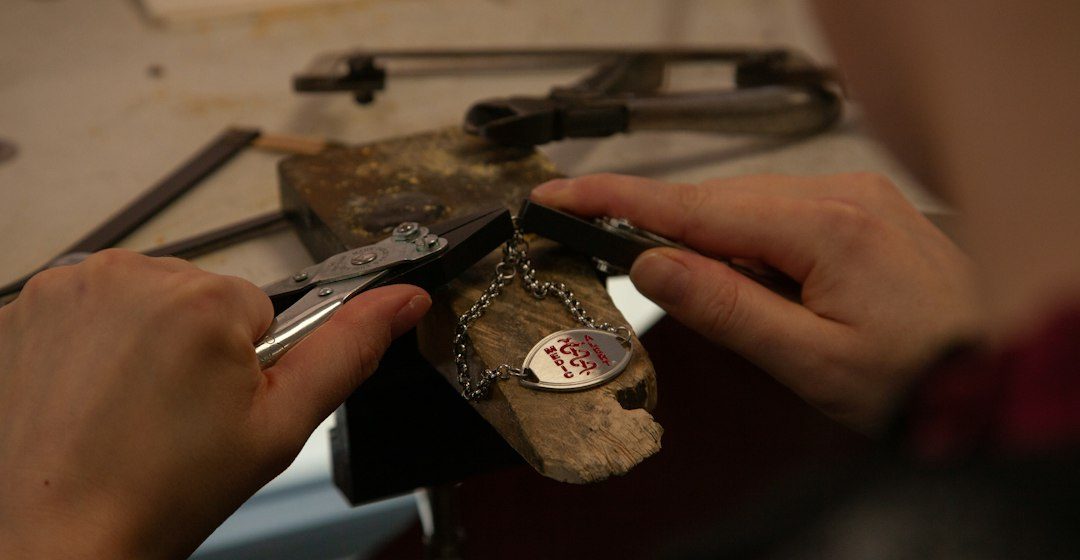
That means communication matters as much as registration. Workshops, retailers and cultural institutions can explain the techniques behind a piece, the materials used and the role of local knowledge. A customer who understands why a particular form or finish is associated with Córdoba is more likely to see the value of the designation as something more substantial than a price premium.
How traditional skills meet contemporary design
Protecting a craft does not require designers to freeze it in one historical style. A living tradition can respond to changing tastes through new proportions, lighter forms, different combinations of materials and contemporary ways of wearing jewellery. What needs to remain clear is the connection between the product and the skills that justify its origin claim.
For independent designers, this creates an interesting balance. Innovation can help a craft reach new audiences, but it should not erase the knowledge that gives the work its identity. Collaboration between established workshops and younger designers can transfer skills while allowing new ideas to be tested. That relationship is especially important when production is small and the value of the piece depends on careful finishing.
What buyers should look for
Consumers interested in locally made jewellery can ask where a piece was produced, who made it, what materials it contains and whether a protected designation applies. They should distinguish a formal geographical indication from general phrases such as “inspired by” or “Mediterranean style”. Those phrases may describe an aesthetic, but they do not carry the same legal meaning as a registered name.
It is also useful to look beyond the label. Check the quality of clasps, joins, settings and surfaces; ask about repair options; and consider whether the design will remain wearable beyond a single season. These practical questions help buyers make informed decisions and encourage workshops to explain the value of workmanship rather than relying only on visual appeal.
A stronger story for Spanish craft
The registration of Joyería de Córdoba is a concrete step in recognising the link between place and craft in Spain. It does not solve every challenge facing independent jewellery makers, from production costs to online imitation, but it provides a framework for protecting a name that carries local knowledge. Its long-term value will depend on clear standards, active producer participation and customers who understand what the designation means.
Further reading: Spanish Patent and Trademark Office and EUIPO registration notice.