w2pK0wutQ3G2
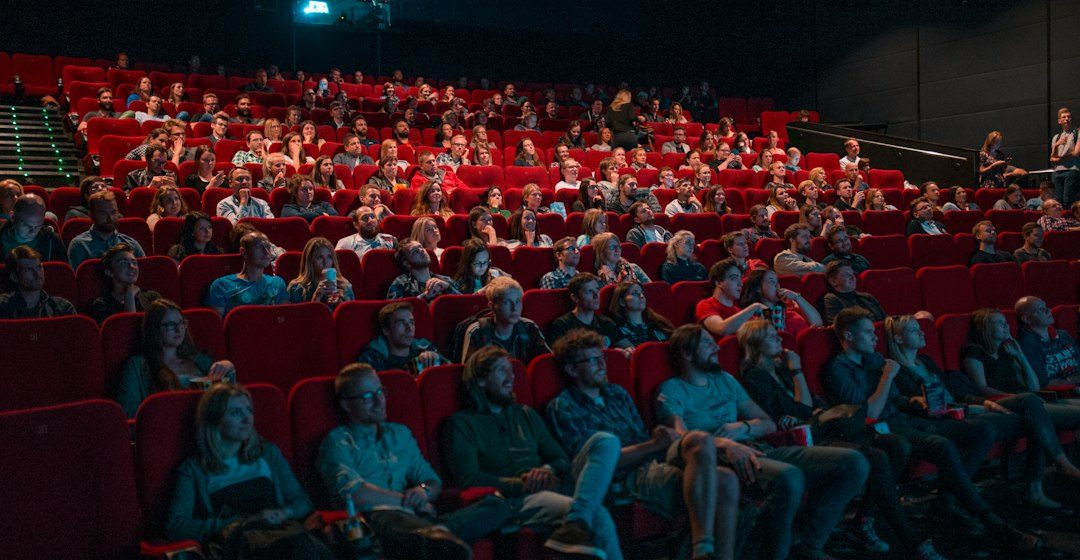
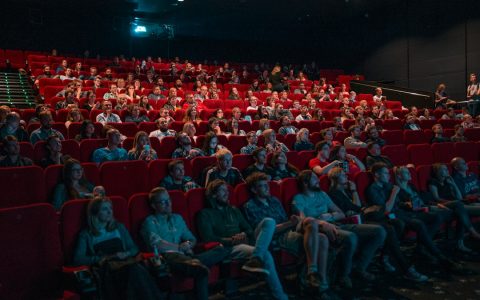
Exhibitions are usually experienced through looking and reading. A live performance changes that rhythm: visitors pause, listen, share a space and notice the architecture or objects around them in a new way. The approach is not a replacement for curatorial interpretation. It is another entry point into culture.
A museum setting becomes part of the performance
The Cristóbal Balenciaga Museum in Getaria scheduled live music on November 22, 2026, as part of its programme around the Music Day. The event was framed as an invitation to experience the exhibition rooms through a musical perspective, with composer and guitarist Nuria López García performing in the galleries. The museum’s current programme also includes exhibitions on Balenciaga’s technique and on fashion photography.
Such a format is interesting because the venue is not a neutral backdrop. A room’s scale, light, acoustics and movement of visitors influence how a performance feels. The audience may connect a musical phrase with a garment’s shape, a photograph’s atmosphere or the history of a place—even when the artwork and music are not directly illustrating one another.
Why cultural programming is becoming more flexible
People often encounter culture through a mix of formats: a short video, a concert, a podcast, a museum visit, a film screening or a conversation with a creator. Institutions can respond by making their programmes easier to enter without reducing the depth of the collection. Live events create a shared moment, while the exhibition offers a slower opportunity to return to the work.
For organisers, the challenge is balance. A performance should respect the collection, visitor access and the practical needs of artists. Clear timing, sound levels, seating, accessibility information and the relationship between the event and the exhibition help ensure that the programme feels intentional rather than like an unrelated attraction.
Sound can change how we look
Music encourages attention to mood and tempo. A visitor might become more aware of the silence between rooms, the echo of footsteps or the contrast between a busy gallery and a quiet one. These sensory details can make an exhibition feel less like a sequence of objects and more like a place that can be explored.
It also gives people who do not usually visit museums a reason to arrive. A music event may lead someone to discover a designer, photographer or historical period they would not have searched for on their own. That kind of cross-interest is valuable to cultural institutions, particularly when the event is linked to a clear theme and the collection remains visible.
What audiences can take away
When museums experiment with performance, the best result is not simply a larger crowd. It is a visitor who leaves with a new connection—a melody associated with a silhouette, a photograph remembered through its sound, or a question that leads to further reading. The combination of disciplines can make culture more welcoming while preserving the museum’s role as a place for context and reflection.