w2pK0wutQ3G2
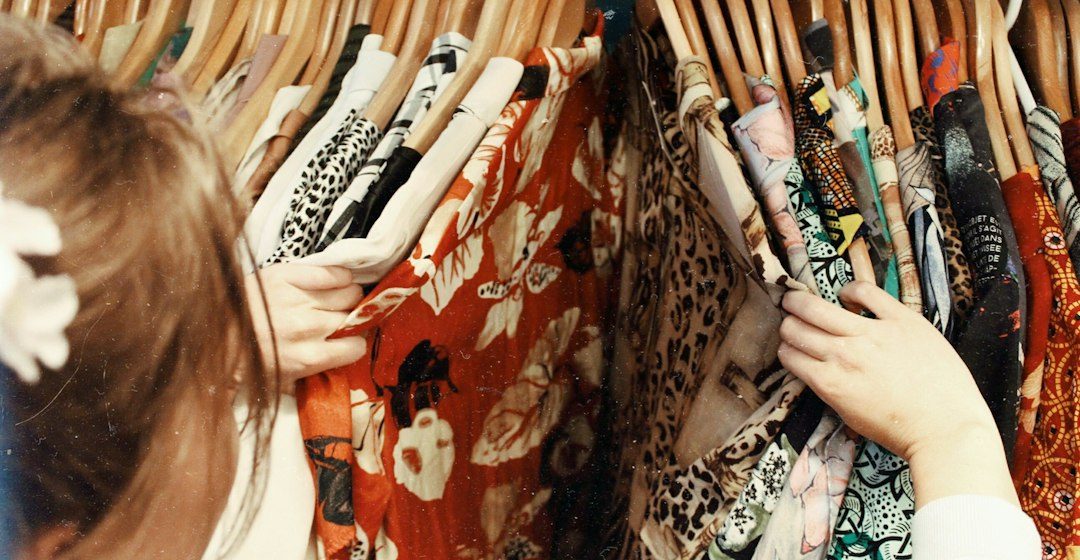
Getting dressed is a small decision repeated every day, but it can become surprisingly frustrating when a closet is crowded, the weather changes, or nothing seems to work together. A wardrobe system can reduce that friction. The useful version is not a strict uniform or a rule about how many items to own; it is a set of familiar options that makes starting easier.
Reduce the number of decisions, not the personality
Some people enjoy building an outfit from scratch. Others want to reach for something comfortable and leave the house. Both approaches are valid. The problem appears when every morning begins with searching, trying several combinations and feeling that the wardrobe has somehow become less useful than it looks.
Creating a few reliable combinations can help. Keep a list of outfits that work for different situations: a day with lots of walking, a meeting, a casual evening or a changeable weather forecast. The list is a starting point, not a restriction. You can still change shoes, add a colour or try a new silhouette.
Make the closet easier to read
Visibility matters. When clothes are packed tightly, items can disappear from memory. Grouping pieces by function or colour may make it easier to notice what is available. Put frequently worn items within reach and store seasonal pieces where they do not interrupt everyday choices. This is not a psychological treatment; it is a practical adjustment to the environment.
Pay attention to the clothes that consistently feel good. Is it the fabric, the fit, the ease of movement, the colour, or the fact that the piece works with several others? Knowing why an item earns repeat wear can make future purchases more deliberate.
Keep room for curiosity
A system becomes unhelpful when it turns into a scorecard. If a person likes a bright piece, an unusual texture or a dress that only works for one occasion, that can be part of a wardrobe. Personal style is not always efficient. It can be expressive, playful and tied to memory.
Try a small experiment instead of changing everything. Pair one rarely worn item with a familiar favourite, photograph the combination if that helps, and decide whether it feels comfortable. If it does not, the experiment has still provided information.
Use routines gently
Choose a few outfits the night before when mornings are busy, but allow yourself to change your mind. Keep a repair list for pieces that are nearly wearable. Review the closet occasionally and remove the obstacles that make dressing harder.
The goal is to create a little breathing room. When clothing is easier to navigate, the morning can feel less like a puzzle—and the wardrobe can remain a place of self-expression rather than a source of pressure.
Image credit: Becca McHaffie / Unsplash.