w2pK0wutQ3G2
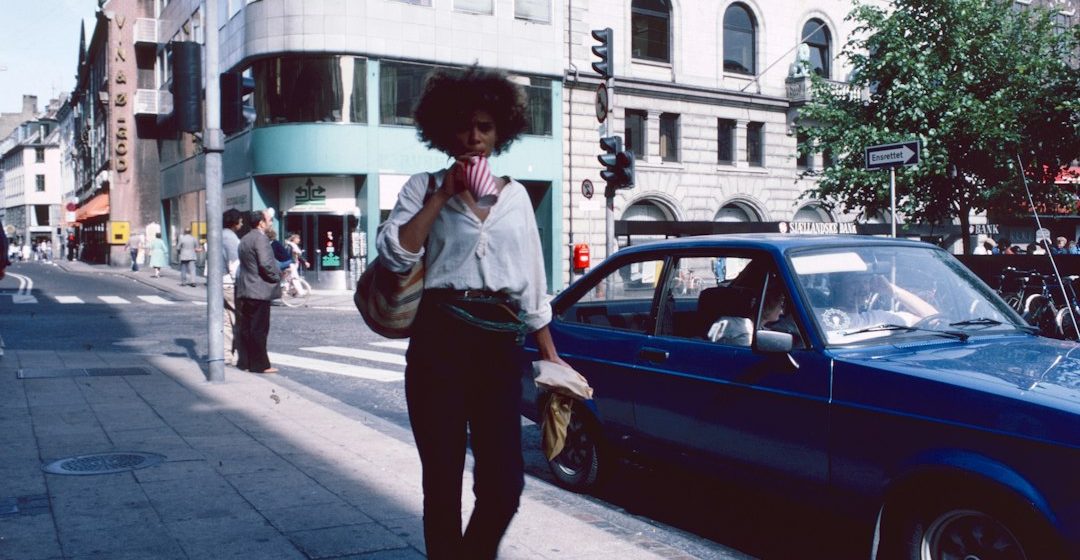
Vintage fashion is rarely revived in exactly the same form. A silhouette from an old photograph, a colour combination from a film, or a detail from a family album may return as a cropped jacket, a modern shoe or a different proportion. The reference travels; the outfit changes. That is what makes nostalgia a useful cultural signal rather than a simple copy.
Why a familiar reference catches attention
People recognise certain visual cues even when they cannot name the original decade. A high waist, a boxy shoulder, a pleated skirt or a particular texture can suggest a past style. On social platforms, those cues become shorthand: the viewer sees a reference and quickly connects it to a mood, character or era.
But the internet can flatten history into a single image. A decade’s style may be represented by one popular photograph or a few viral outfits, even though everyday dress was more varied. The reference is convenient, not comprehensive. A creator who wants to explore vintage influence can use that shorthand while also looking beyond the most repeated images.
Translation is more interesting than imitation
When a vintage idea is adapted, the choices matter. A modern fabric may behave differently. A shoe may need to work with contemporary walking habits. A garment may be shortened, softened or layered because the wearer has a different context. Those changes are not necessarily a loss of authenticity; they are part of how style becomes personal.
One approach is to choose a single reference point rather than recreate a full look. Use a shape, a texture or an accessory, then pair it with pieces that reflect your own wardrobe. This keeps the outfit readable without turning it into a costume.
Archives are more than mood boards
Museum collections can help separate a real garment from a simplified online image. Spain’s Museo del Traje is currently connecting historical clothing with contemporary footwear through an exhibition that invites designers to reinterpret materials, silhouettes and techniques from the collection. It is a reminder that heritage can be a working conversation.
For fashion audiences, this opens a richer way to participate in nostalgia. Instead of asking whether an outfit is “from” a decade, ask what the reference means, what has changed and what the wearer wants to keep.
Keep the reference, make the choice yours
Vintage-inspired style is most compelling when it feels deliberate but not rigid. A reference can spark an idea, while comfort, context and personal taste finish it. That space between memory and modernity is where a look becomes more than a trend.
Source: Museo del Traje, Fashion at Your Feet.
Image credit: Stefan Szankowski / Unsplash.