w2pK0wutQ3G2
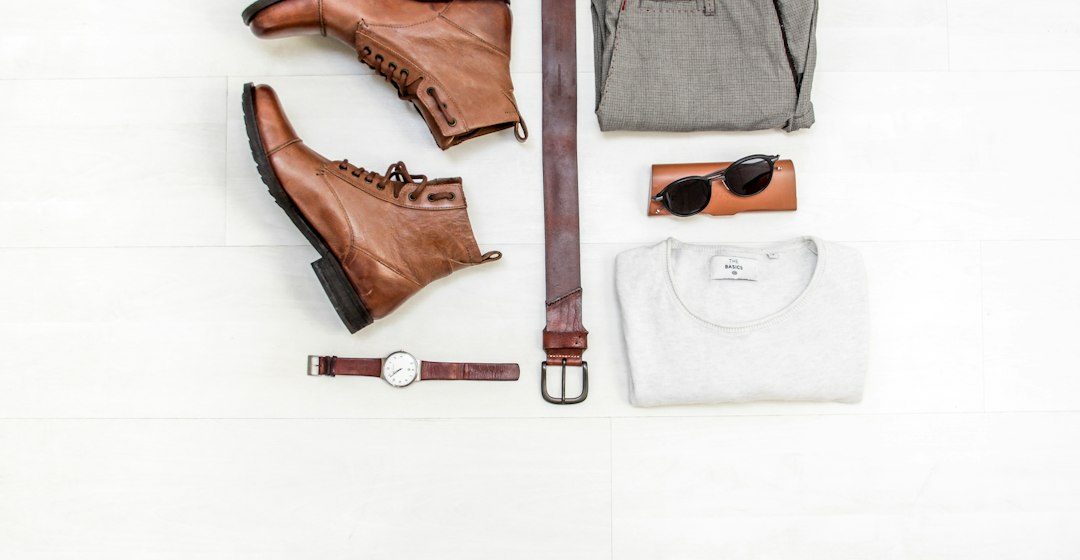
Clothing communicates, but it does not have to be a constant performance. A person may choose an outfit to feel comfortable, signal a role, express creativity, fit a social setting or simply make the morning easier. Research on personal style suggests that clothing can be connected to how people understand themselves, while other studies show that choices can also be shaped by how they expect to be seen.
Style can be a form of self-expression
A 2025 qualitative study published in Fashion, Style & Popular Culture explored personal clothing style through interviews with seven women. The authors described themes involving the true self, an ideal self and a creative self. The small sample does not represent everyone, but it offers a useful way to think about style: clothing can help someone express a sense of identity, imagine how they want to feel and experiment with creative choices.
That does not mean a particular colour, silhouette or brand reveals a person’s personality. Clothing is a cue, not a reliable shortcut to understanding someone. A person may wear a uniform for work, dress for the weather, choose an item for comfort or borrow a look from a friend without making a statement about their deeper identity.
Social expectations can influence the choice
Research on self-presentation has also examined why people choose daily clothing. A study of 61 working adults found relationships between public self-consciousness and self-presentational motives for dressing, and participants reported feeling better about their outfits when they were satisfied with what they wore or received compliments. The findings help explain how social feedback may influence style, but they should not be generalized to every person or treated as a clinical measure.
Social media can amplify those pressures by turning outfits into content and making trends visible at a speed that can feel difficult to keep up with. Yet everyday style does not need an audience. An outfit can be meaningful because it fits the wearer’s routine, comfort and preferences, even if no one else comments on it.
Comfort is part of confidence
Comfort is often discussed as a physical quality—fabric, fit, temperature or movement—but it can also affect how someone experiences a day. Clothing that requires constant adjusting may distract. Shoes that hurt can change the way a person walks. A garment that feels too formal for the situation may make someone self-conscious. These are practical signals worth listening to.
Rather than asking whether an outfit is fashionable enough, try asking whether it fits the activity, whether it feels like something you would choose again, and whether it allows you to move without worrying about it. Those questions make style decisions more grounded and reduce the influence of arbitrary expectations.
Experiment without pressure
Personal style can evolve. A person may try a different silhouette, add colour, wear vintage pieces or return to a simpler wardrobe. Experimentation is easier when it is low-risk: combine one unfamiliar element with familiar basics, borrow or thrift a piece, or try an outfit at home before buying anything. If it does not feel right, that is information rather than failure.
It is also useful to distinguish inspiration from obligation. Seeing a trend online may spark an idea, but it does not mean the trend belongs in your wardrobe. The same look can feel comfortable to one person and awkward to another. Style becomes more sustainable when choices are based on the wearer’s actual life rather than an imagined standard.
Build a wardrobe that leaves room for different selves
People have multiple roles—work, family, friendships, hobbies, travel and rest—and clothing can adapt to them. A wardrobe does not have to be perfectly coherent. It can contain practical pieces, sentimental items, bold choices and comfortable favourites. The goal is not to reduce identity to a single aesthetic, but to make clothes useful and enjoyable.
Research on personal style is still developing and often uses small or specific samples. It can provide ideas, not prescriptions. The most helpful takeaway is simple: dress with awareness, notice how choices affect your comfort and mood, and allow style to serve you rather than the other way around.
Sources
- Vingilyte and Khadaroo (2025): Personal clothing style and self-concept
- Nezlek, Mochort and Cypryańska: Self-presentational motives and public self-consciousness
Featured image: personal style moodboard, photo by NordWood Themes via Unsplash.