w2pK0wutQ3G2
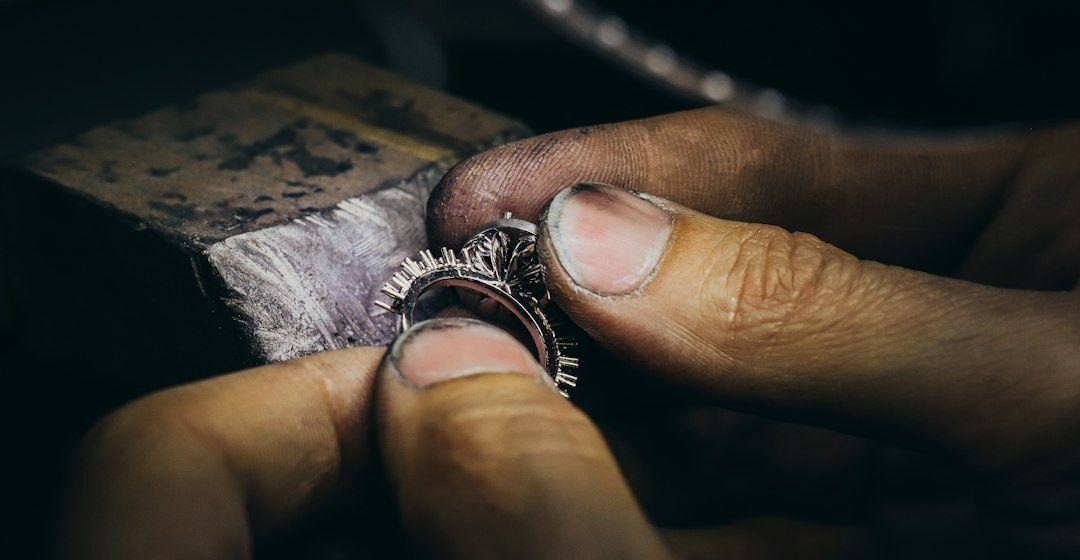
A jewellery piece may look perfect in a display, but the details that determine everyday life are often small: the clasp that closes securely, the joint that moves without catching, the setting that holds a stone, and the finish that can be renewed. Thinking about repair before purchase is not pessimistic. It is a way to understand craftsmanship.
Inspect the parts that move
Chains, bracelets and earrings rely on fasteners and small connections. A clasp should open and close smoothly without feeling loose. Links should be consistent and free from obvious gaps. On a hinged piece, the movement should be clean rather than stiff or wobbly. These checks cannot replace a jeweller’s inspection, but they help a shopper notice where a piece may need attention.
For rings, look at the inside of the band and the way the setting meets the metal. For necklaces, examine the jump rings and the connection between chain and clasp. A tiny weak point can carry more stress than the decorative surface.
Ask about the repair path
Some designs are easier to repair than others. A plain chain may have a straightforward replacement link, while a complicated multi-part piece can require specialised tools or matching components. Ask whether the maker or retailer offers repairs, what the service covers, and whether a repair could change the finish or shape.
For gemstone jewellery, ask how the setting is checked and whether the stone can be removed safely if a repair is needed. Prong settings, bezels and other constructions have different trade-offs. None is universally best; the right choice depends on the stone, design, wear pattern and owner’s habits.
Finishing is not the same as durability
Polished surfaces, plating and decorative treatments can affect how a piece looks, but they do not make every component equally strong. A very thin chain may be elegant and still require careful handling. A matte finish may show scratches differently from a mirror polish. A retailer should be able to explain how the piece is intended to be worn and maintained.
Make care part of the purchase
Jewellery often has sentimental value, so its repairability matters as much as its appearance. Keep receipts, metal details and any care instructions. Remove pieces before activities that can snag or strike them, and avoid assuming that all stones or finishes respond to the same cleaning method.
When a piece is designed with serviceable details and the buyer understands how to care for it, it has a better chance of staying in rotation. Craftsmanship is not only what looks beautiful on the day of purchase. It is also what can be maintained when real life begins.
Image credit: Tahlia Doyle / Unsplash.