w2pK0wutQ3G2
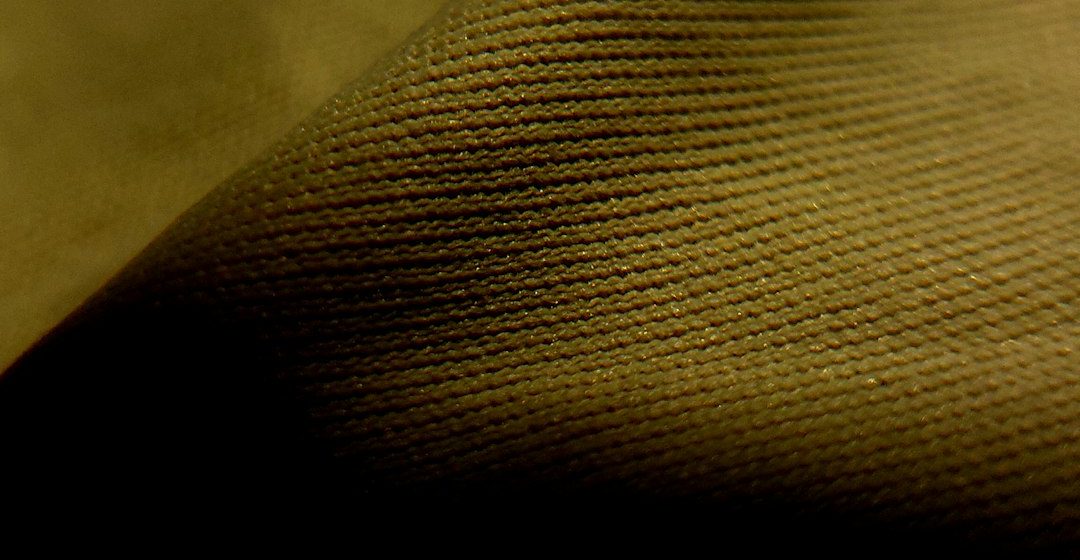
A jacket that sheds rain or a fabric that resists stains can feel like a simple convenience. Behind that surface behaviour may be a coating or finish designed to change how water, oil or dirt interacts with the textile. Some treatments use per- and polyfluoroalkyl substances, commonly known as PFAS, a large family of chemicals with varied properties and environmental concerns. The subject is more complicated than a label that says “waterproof.”
Why these chemicals are used
PFAS have been used in some textile applications because they can provide water, oil or stain repellence and durability. Those properties can be valuable in outdoor clothing, workwear and technical products where a material is expected to perform in difficult conditions. But the same persistence that makes some PFAS useful in products can create environmental challenges when they are released or become part of waste streams.
Not every water-resistant textile uses PFAS, and not every chemical finish belongs to the same category. A garment’s performance label does not identify its chemistry. Consumers should avoid assuming that a particular fabric has a specific treatment unless the brand provides clear information.
What the environmental evidence says
The European Environment Agency’s briefing on PFAS in textiles describes their use across clothing, home textiles, leather and technical applications, including treatments for water and oil repellence. The agency also discusses the scale and uncertainty of PFAS use, which is important because the family contains many compounds with different properties and risks.
Microfibre release is a separate but related textile issue. Synthetic fibres can shed during production, use and washing. The EEA notes that washing is one pathway, while end-of-life handling and broader consumption patterns also matter. It is not accurate to reduce the whole problem to one laundry setting or one fabric type.
Questions worth asking before buying
For a performance garment, ask what function the finish provides, whether the brand offers a PFAS-free option, and what care instructions help maintain performance without unnecessary washing. If a product is designed for extreme conditions, compare the need for that function with your actual use. A city raincoat and a technical climbing shell have different requirements.
Care instructions should be followed, but they are not a substitute for chemistry disclosure. Brands can improve transparency by explaining materials and treatment choices in plain language rather than relying on vague terms such as “eco” or “advanced protection.”
Better information, not panic
Textile chemistry is evolving. New finishes, material substitution and product rules may change what is available, but a responsible choice starts with credible information. Performance, durability, repair and environmental impact belong in the same conversation. The goal is not to fear every technical fabric; it is to understand what a product is designed to do and what trade-offs come with it.
Sources: European Environment Agency, PFAS in textiles; EEA, microplastics from synthetic textiles.
Image credit: Jatin Gajjar / Unsplash.