w2pK0wutQ3G2

For an emerging fashion label, growth is often pictured as a bigger collection, more stockists and a wider audience. Yet a small studio can be under strain long before it reaches those milestones. The real bottleneck may be the calendar: samples arrive late, fabric orders are uncertain, a fitting is repeated, and a launch date is fixed before the production team knows what is possible. Predictability can be a competitive advantage.
Start with the production sequence
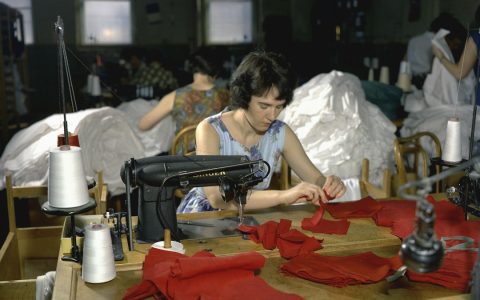
A collection moves through more than inspiration and sewing. Designers need to confirm materials, patterns, sample fittings, grading, costing, supplier lead times, quality checks and delivery. When one stage slips, the next may be rushed. A small label has fewer people to absorb the disruption, so a clear sequence matters.
Building a calendar means identifying the decisions that must be locked before a sample can progress. Which fabric is confirmed? Is the trim available? What is the fitting deadline? Who signs off? What changes are still allowed? The aim is not to make creativity rigid; it is to make late surprises visible early.
Use smaller commitments as a learning tool
Small runs and pre-orders can help a studio learn which pieces customers actually want, but they are not automatically risk-free. A pre-order still needs an honest delivery estimate, a realistic capacity calculation and a plan for refunds or delays. A small batch should be sized around the workshop’s ability to complete it, not around the most optimistic sales forecast.
Emerging designers can also separate the collection into core pieces and experimental pieces. Core items may use tested fabrics and repeatable construction. Experiments can be limited to a smaller quantity or a later release. That makes the design process easier to evaluate without forcing every idea into the same production risk.
Inventory is a design decision
Inventory ties up money and material. It can also create pressure to discount or discard goods that did not sell. The European Union’s Ecodesign for Sustainable Products Regulation has introduced rules prohibiting large companies from destroying unsold clothing, accessories and footwear, with medium-sized companies subject to the rules from 2030 and exemptions for small and micro businesses. The direction is clear: businesses need to think about what happens after the collection leaves the studio.
For a small label, this can mean planning repair, resale, donation or a second production channel before the first run is placed. It can also mean choosing a design that can be replenished in a measured way rather than producing a large quantity based on uncertain demand.
What a better calendar looks like
Keep the schedule visible, assign one owner to each milestone, and leave room for a quality check. Track the reasons for delays so that the next collection improves. Predictable production does not guarantee commercial success, but it gives designers more time to make decisions with care.
Source: European Commission, ban on destruction of unsold clothes and shoes.
Image credit: Vitaly Gariev / Unsplash.