w2pK0wutQ3G2
For a small fashion label, growth is not always a question of selling more garments. It can mean keeping orders, material choices, custom measurements and workshop schedules coordinated without losing the hands-on quality that made the brand distinctive. A digital transformation story from Spain illustrates why independent manufacturers are looking at practical systems before chasing bigger production volumes.
Digital tools can solve workshop problems, not just marketing problems
European Digital Innovation Hubs Network describes a Spanish small manufacturer, Marae, based in Zamora and specialising in handcrafted premium coats and jackets made from Merino wool. The company has more than four decades of textile experience, but the case study identifies familiar operational challenges: limited integration between digital processes and the need for better internal information flows for customised production.
That is an important distinction for emerging designers. A new label may already use social platforms, an online store and digital mood boards, yet still rely on disconnected spreadsheets, messages and handwritten notes once a product enters sampling or production. The weak point is often not visibility; it is the handover between creative decisions and the people who turn those decisions into garments.
What a small label can digitise first
Digital adoption does not need to begin with an expensive enterprise system. A label can start by centralising product specifications: approved fabric, colour, size range, supplier details, construction notes, sample status and version history. A shared source of truth reduces the risk that a workshop receives an older specification or that a change is communicated to only one person.
Order tracking is another useful starting point. When a brand can see which garments are waiting for material, cutting, sewing, finishing or quality review, it can set more realistic delivery dates. That visibility matters especially for made-to-order work, where a single delay can affect a customer’s expectations and a small team’s workload.
Customisation is an advantage—and a coordination cost
Independent labels often compete through fit, fabric, limited runs and personal service. Those strengths also make production more complex. A customer request can affect measurements, pattern adjustments, material consumption, labour time and delivery. Digital decision-support tools may help teams compare options, but the system is only useful if the data reflects the workshop’s actual practices.
For makers, the aim is not to automate every judgement. A designer or craftsperson still needs to assess drape, hand feel, finishing and whether a change improves the garment. Technology can make those decisions easier to record and repeat; it cannot replace the experience behind them.
Scale without losing the label’s character
Emerging designers should evaluate tools by the friction they remove. A useful system is one staff can maintain, suppliers can understand and the business can afford. It should not create a second administrative job or force the label to abandon the production methods that customers value.
Training and support also matter. The European Digital Innovation Hubs model brings small businesses into contact with advice, skills and technology support rather than assuming every maker can identify and implement a solution alone. That approach is relevant to fashion: an independent label may need help selecting a process, testing a tool and measuring whether it actually saves time.
Start with one repeatable bottleneck
Before adopting software, a label can map a recurring problem—late sample approvals, lost specification updates, unclear stock levels or difficult delivery forecasting. Measure how often it happens and how much time it costs. Then trial a simple solution with one product line. If it improves communication and leaves more time for design and craftsmanship, expand gradually.
Digital operations are not a shortcut to a fashion identity. They are infrastructure that can protect a small label’s attention, make its production more dependable and create room for careful growth. For emerging designers, the most valuable technology may be the one customers never notice because the garment, service and delivery simply work.
Sources
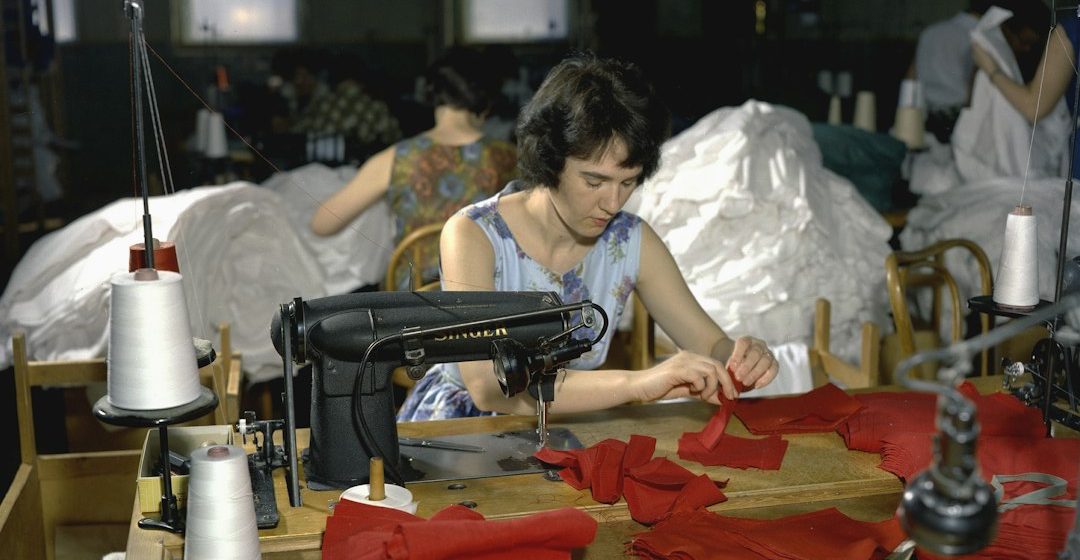
Featured image: garment-production archive photograph, Provincial Archives of Alberta, via Unsplash.