w2pK0wutQ3G2
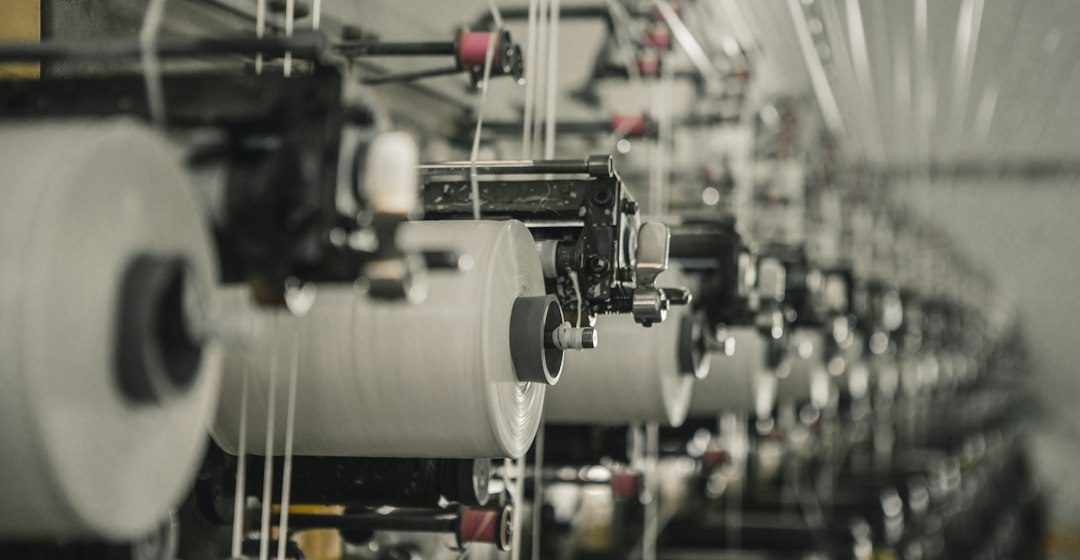
Microfibres are easy to overlook because they are released from familiar objects: a fleece jacket, sports leggings, a polyester shirt or a nylon lining. During washing, synthetic textiles can shed tiny fibres that travel with wastewater. The European Commission’s sustainable-fashion overview identifies textile washing as one source of microplastic release and says research continues into the risks, making the subject both a design question and an everyday-care issue.
Why a garment releases fibres
Fabric is not a perfectly sealed surface. Yarn structure, fibre length, finishing, garment construction, abrasion and age all influence how material behaves during use and cleaning. A textile may release loose fibres when it is new, when its surface is brushed or when repeated friction gradually breaks parts of the yarn away. Washing combines movement, water, detergent and contact with other garments, which can loosen material.
Not every fibre released from a textile is a microplastic. Natural fibres and synthetic fibres behave differently and may have different environmental pathways. The EU discussion focuses on microplastics from synthetic clothing such as polyester, nylon and other plastic-based textiles; it also notes that the contribution and effects of microplastics require continued study.
The laundry choices that are worth considering
Consumers can avoid unnecessary wash cycles by airing a garment when it is only lightly worn and by following its care label. When washing is needed, avoid overloading the machine, use a suitable programme and limit rough treatment. A garment that is squeezed into a drum with heavy items may experience more rubbing than a carefully sorted load. Lower-temperature settings may also help save energy where the care instructions allow.
These habits are not a guaranteed fibre-control solution. The amount released depends on the garment, fabric, construction, wash conditions and machine. A consumer should be wary of products or claims that promise to eliminate microfibre release without clear test evidence. Filters and capture devices may be useful, but their performance depends on how they are designed, installed, maintained and tested.
Why design matters before the garment reaches the washing machine
Manufacturers can influence shedding through fibre selection, yarn construction, fabric finishing and durability testing. A garment that is designed to last, repaired and worn for years may reduce the need to replace clothing frequently, even though that does not automatically mean it sheds less in each wash. Durability and fibre release are related questions but should not be treated as identical measurements.
Designers can also make care instructions more realistic. Clear guidance about washing frequency, drying, ironing and repair is more helpful than vague sustainability messaging. A buyer should be able to understand how the item is intended to be used and what care will preserve its shape and performance.
Do microfibres pose a health risk?
The presence of tiny particles in the environment is a reason for research, not proof of a specific health outcome from wearing a particular garment. The European Commission notes that the risks of microplastics need to be explored further. That uncertainty should be communicated plainly. It is not useful to turn a complex environmental issue into alarmist claims about a single shirt or laundry routine.
Researchers are examining the sources, pathways and possible effects of microplastics, while policymakers work on measures to prevent unintended releases. For consumers, the most sensible response is to make reasonable choices without expecting a household habit to solve a system-wide problem.
Make care part of buying decisions
When choosing a synthetic garment, consider whether it suits the activity, how often it will be worn, whether it can be repaired and whether its care instructions are practical. If two items serve the same purpose, comfort, durability and ease of maintenance are useful criteria alongside price and appearance.
Microfibre shedding connects fashion to water, waste management and product design. Washing habits can play a role, but the broader responsibility also belongs to manufacturers, researchers and infrastructure providers. The best public advice is specific, modest and evidence-based: care for clothing thoughtfully, question sweeping claims, and support efforts to make textile products more durable and less polluting.
Sources
Featured image: laundry equipment, photo by Kevin Limbri on Unsplash.