w2pK0wutQ3G2
A fashion archive can look, at first, like a quiet collection of dresses, sketches and photographs. Its real value is that it preserves the decisions behind a finished garment: how a shape was revised, which materials were available, what a workshop could produce, and how an idea changed between drawing and fitting. Reading those traces offers a more complete biography of a designer than a gallery of iconic looks alone.
From object to process
Collections at Madrid’s Museo del Traje include garments, accessories, documents and examples of Spanish fashion across different periods. The museum describes a collection of more than 30,000 pieces, including substantial holdings associated with designers and fashion houses. Objects are therefore not isolated trophies. They can be studied alongside evidence of technique, use and historical context.
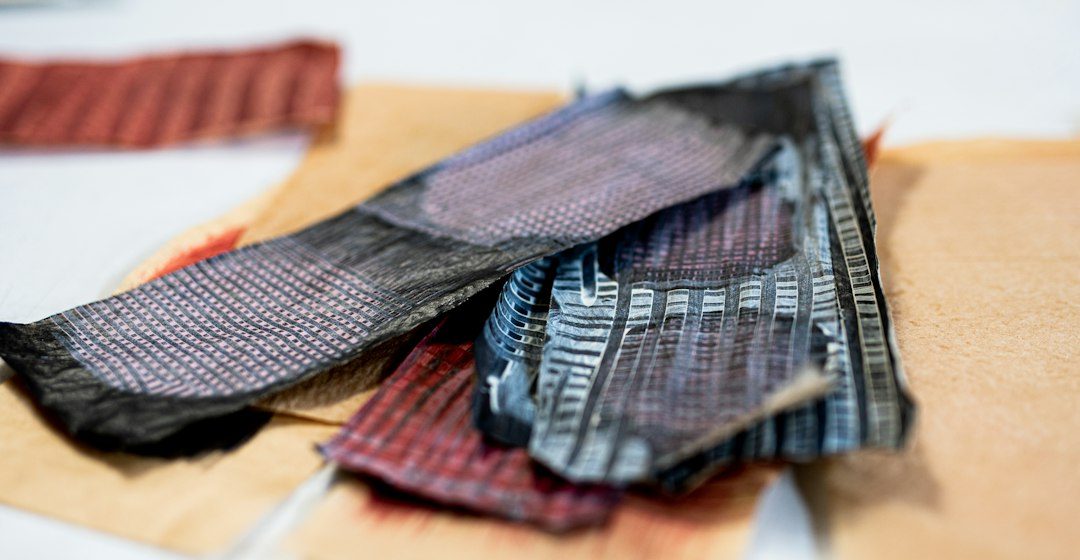
A surviving dress can reveal construction choices that a photograph cannot: seams, lining, weight, closure, the relationship between fabric and movement, and the changes made to accommodate a body. A sketch may show a first intention; a fitting note or pattern may reveal the compromises that made the garment possible. Archives let researchers connect those stages, although gaps in records mean that not every decision can be reconstructed with certainty.
Why documentation matters
Fashion histories are often told through a few recognizable images. That shorthand is useful, but it can obscure the teams who contributed to a design—pattern cutters, embroiderers, machinists, finishers, suppliers and assistants. Workshop records, photographs and oral histories can make that labour more visible. They also help separate an enduring design language from a single headline-making piece.
Documentation matters for conservation, too. When museum staff know a textile’s materials, construction and past treatment, they can make more informed choices about display, storage and repair. Every intervention is a balance: stabilize an object without erasing evidence of age or use. The archive is a working resource, not merely a storage room.
What visitors can look for
Next time you encounter a historic garment, look beyond its outline. Notice where the fabric is gathered, how the fastening is hidden, how the lining supports the shape and what the object’s wear tells you. Ask whether the display gives a date, maker, provenance and context. Those details turn admiration into a deeper reading.
Fashion heritage is strongest when it preserves both the finished piece and the knowledge that made it. A silhouette may be memorable; the archive explains how it became possible.