w2pK0wutQ3G2
A designer’s public biography often begins with a birthplace, a first collection and a recognisable silhouette. The working life behind those milestones is usually more complicated. Sketches, fitting notes, fabric samples, correspondence, photographs and unfinished experiments can show how a creative practice developed day by day. For fashion readers, archives offer a way to move beyond the familiar image of a celebrated name and understand the decisions that made a body of work possible.
What an archive can tell us
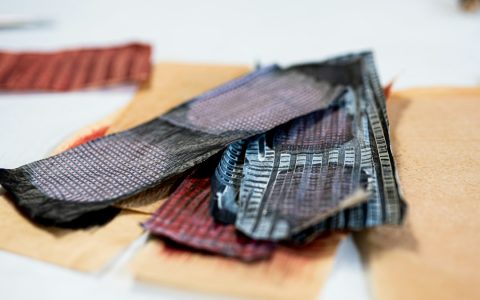
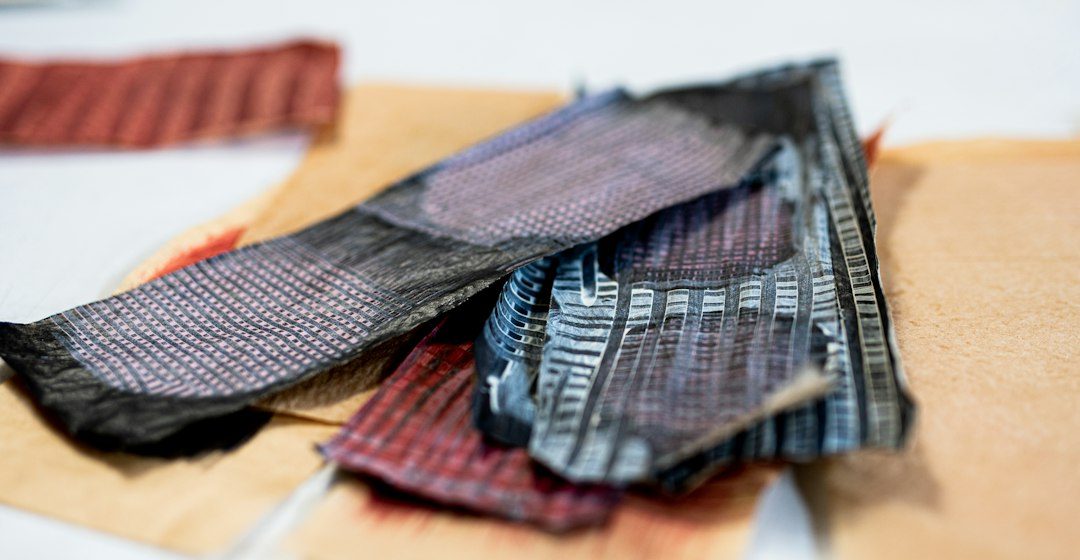
A finished garment records a result. An archive can preserve the route to that result. A series of drawings may reveal that a shape was tested in several proportions. Fabric swatches can show how a designer compared weight, drape and surface before choosing a material. Notes from fittings may expose the practical problems that a polished runway image hides: movement, comfort, construction and the way a garment behaves on different bodies.
These traces are not a complete account of a person. Archives are selective. Some documents survive because an institution collected them; others disappear because they were considered ordinary studio material. A responsible biography therefore distinguishes what a document proves from what it merely suggests. A sketch can show that an idea was explored, but it cannot by itself establish who first proposed it or why it was abandoned.
Reading objects alongside documents
Fashion history becomes stronger when garments are studied with their supporting records. A jacket may appear simple in a photograph, yet its internal structure can reveal hours of technical work. A label, repair or alteration can show how an object moved from a studio into a wardrobe and how it was used after its first presentation. Oral histories add another layer, particularly when they include pattern cutters, machinists, assistants and suppliers as well as the designer whose name appears on the label.
This wider approach also challenges the idea that creative achievement belongs to one person alone. Fashion is made through teams and specialist knowledge. The archive can make those relationships visible when records are catalogued carefully and contributors are credited accurately.
Why preservation matters now
Many contemporary design processes are partly digital. Research may live in shared folders, design files, email threads and software that becomes difficult to open as systems change. Physical samples can be separated from the digital records that explain them. Preserving both requires clear naming, dates, rights information and a plan for long-term access. It also requires respect for privacy: not every studio note or personal message belongs in a public exhibition.
Museums and fashion institutions can help by explaining how objects entered a collection, identifying gaps in the record and making research accessible without pretending that an archive is neutral or complete. The Cristóbal Balenciaga Museum, for example, offers a public point of reference for understanding how a designer’s work can be interpreted through collections and exhibitions, while the broader lesson applies to designers across generations.
A more useful kind of fashion biography
The best fashion biographies do more than celebrate a signature look. They connect creative choices to the people, places, materials and working conditions around them. They acknowledge uncertainty, credit collaborators and show how a designer changed over time. That approach gives readers something more valuable than a list of achievements: a clearer picture of creative work as a process.
For students, collectors and curious readers, the practical takeaway is simple. When encountering a designer’s story, look for the evidence behind the headline: dated objects, named collaborators, collection records and carefully described sources. A silhouette may make a designer recognisable. The archive helps explain how that silhouette came to exist.
Further reading: Cristóbal Balenciaga Museum.