w2pK0wutQ3G2
Spain’s countryside offers a different travel rhythm from the busiest city and coastal itineraries: smaller towns, local food, walking routes and a slower pace. Recent official data suggests rural accommodation is attracting steady interest, but the figures also show why the timing of a visit matters. A destination can be popular in a particular week and still have many beds available across the month.
Rural stays rose in September, but occupancy remained modest
Spain’s National Statistics Institute (INE) reported that overnight stays in rural tourism accommodation increased 3.0% year on year in September 2026. The number of nights booked by non-residents rose 9.9%, while resident overnight stays declined 1.1%. The occupancy rate by bed places was 23.4% for the month, compared with 39.0% over weekends.
That gap matters for travellers. Rural tourism is often spread across many small properties and regions, so a monthly national average does not describe every village or accommodation. It does, however, show that weekend demand can be much more concentrated than weekday demand. Visitors who can travel outside Friday-to-Sunday windows may have more flexibility in choosing dates and experiences.
What the numbers suggest for planning
September’s rural accommodation price index rose 2.4% year on year, according to the INE. That is a national indicator, not a quote for any specific property. Travellers should compare actual rates, cancellation terms and minimum-stay requirements rather than assume the average describes the accommodation they want.
Balearic Islands recorded the largest number of rural overnight stays among the destinations highlighted by the INE, with more than 259,000 nights. Mallorca also ranked prominently by rural tourism zone. The data shows how a rural trip can sit alongside a well-known destination: visitors may choose a smaller inland stay while still exploring a region that has established tourism infrastructure.
Build the itinerary around the place, not a checklist
Rural travel is best when the day has room for local details. A market may operate only on certain mornings; a museum or historic site may have limited opening hours; a hiking route may be affected by weather or seasonal daylight. Checking these details before arrival helps avoid the common mistake of planning too many stops and spending most of the trip driving.
Choose one anchor activity—an easy walk, a local food experience, a historic centre or a visit to a craft workshop—and leave time for spontaneous discoveries. Ask accommodation hosts about nearby routes and whether a car is necessary. In some areas, public transport can be limited, so confirm the return journey rather than relying on a single outbound timetable.
Respect the quiet places that make rural travel appealing
Rural communities are not just scenery. Residents work, study and move through their villages year-round. Visitors can help keep tourism positive by parking responsibly, staying on marked trails, keeping noise low at night and buying from local businesses when practical. If a route crosses farmland, follow signs and avoid disturbing livestock or private property.
Seasonal weather also changes what is comfortable. Autumn and winter can bring rain, colder evenings and shorter daylight, while some summer routes may require early starts and extra water. Check local guidance before hiking, and choose a route appropriate to your group’s experience and mobility.
Use data as a guide, not a promise
The INE figures are useful for understanding the wider market, but they cannot predict whether a particular rural hotel will be quiet, fully booked or open during your dates. The best planning combines official statistics with direct confirmation from the property and local tourism information.
Rural Spain’s appeal is often in its small-scale experiences: a landscape walk, a long lunch, a local festival or a conversation with a maker. The September numbers point to continued interest, especially from international travellers, but the real benefit of a countryside visit comes from matching the itinerary to the place and giving it time.
Source
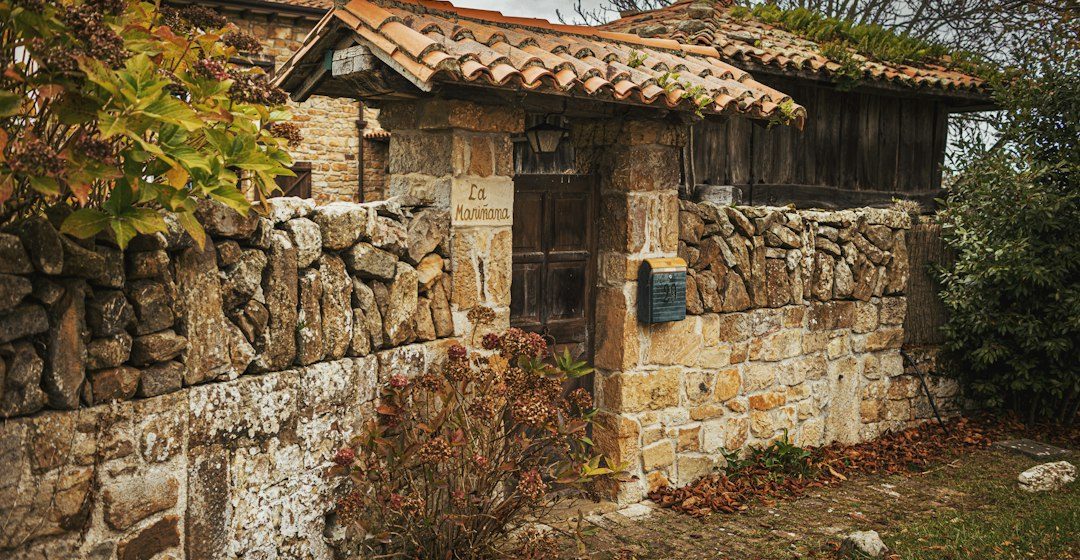
Featured image: rural Asturias, photo by Vitalii Kyktov on Unsplash.